
With the events of the past year plus affecting everyone, children have been far from immune and in some families perhaps the most affected. Don’t underestimate the power that colour psychology can have.
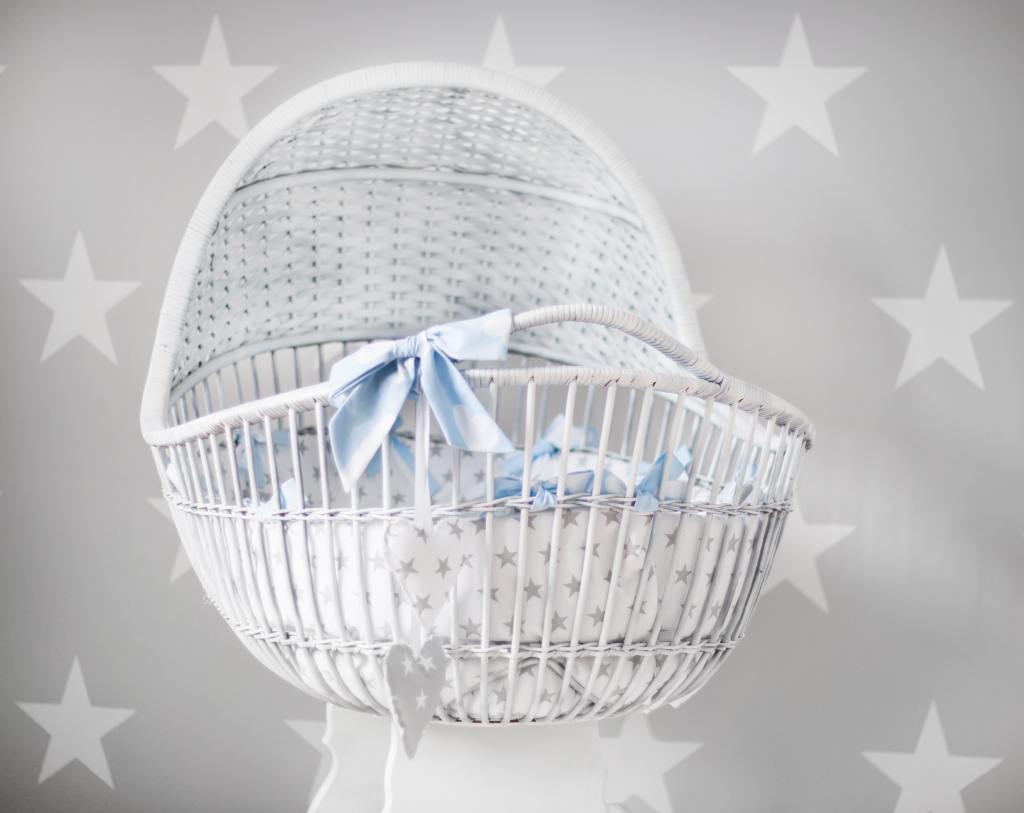
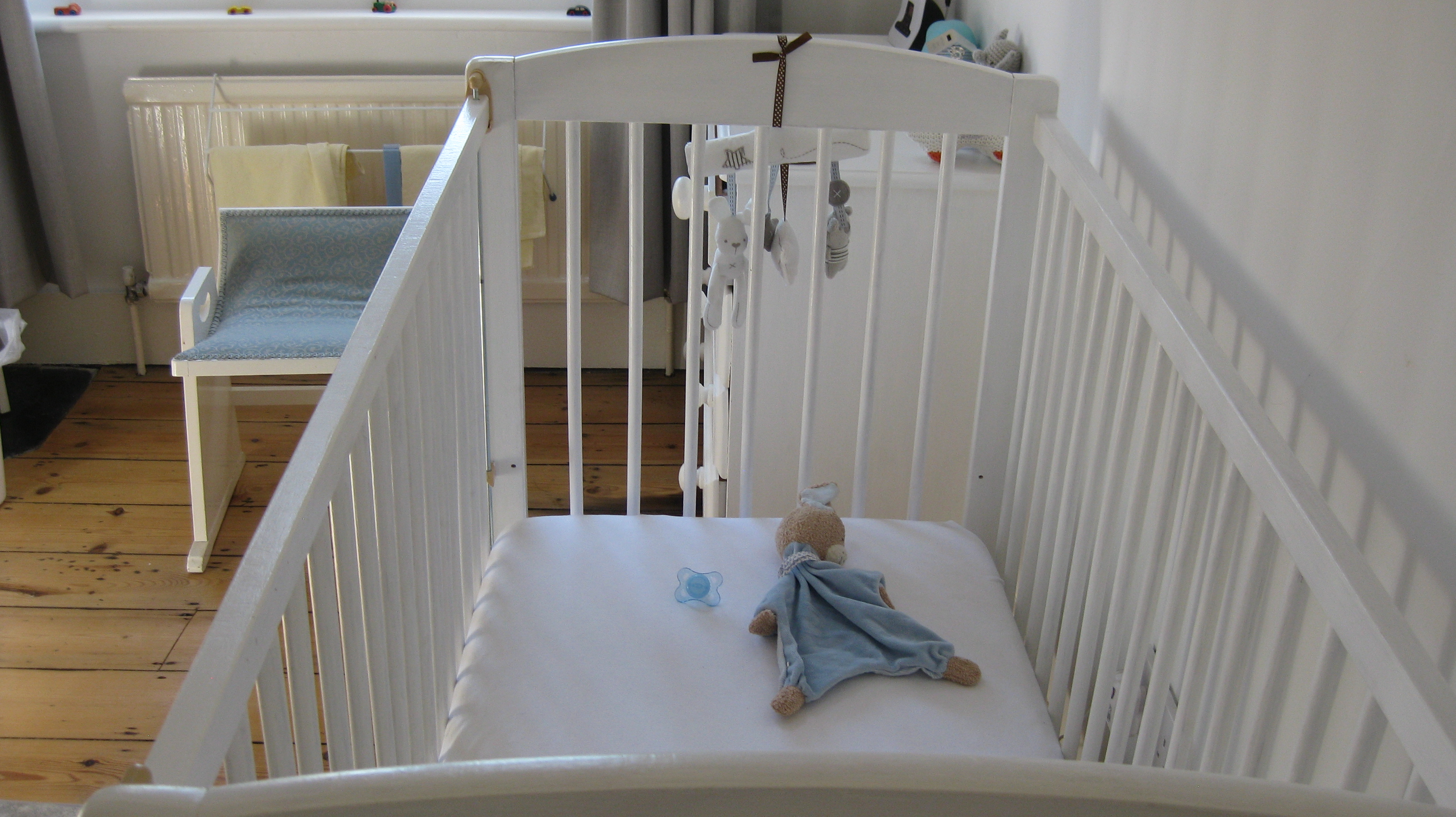
Whilst red is traditionally associated with anger, blue is said to have a calming effect and thus potentially helpful for babies & children. It is traditionally advised to use to help them to settle down to sleep. This is apparently because its reminiscent of the sky or sea, both of which have a soothing effect. I am definitely interested to see if more blue can help calm down my active toddler. But not only is it good for calming children, but blue has been said to boost creativity too which is another bonus.

The International Journal of Advanced Research published a study that showed blue appears to stimulate creativity in children. The study gave children between 8–12 years old a set of questions, one on blue paper and one on red. It found that the children who interacted with the colour blue were able to produce more “novel” ideas with a wider variety of answers. The red group, on the other hand, gave more “ordinary” answers.

However to spark learning, one needs yellow. Often linked to joy, it can denote the sun – and is great for boosting one’s mood – in both adults and children alike. A landmark 1993 academic study found that children respond positively to bright colours like yellow as opposed to dark colours. It’s also associated with better concentration and memory, meaning it’s a great colour to incorporate into children’s learning. It isn’t recommended to paint an entire room in this colour by psycholgists, but to use it as an accent colour instead. Whilst this can be easier for nurseries and schools to do, at home it can be incorporated with a yellow desk, notebook, sheets of paper or paints and colouring pens & pencils more easily.

Green on the other hand is calming and grounding – reminiscent of green found in nature – grass, leaves, trees, bushes etc. Similarly to blue, it’s said to be helpful for relaxing babies and helping children wind down to go to sleep. But it can also allegedly help children’s reading speed and understanding text. Again a softer green would be recommended for incorporating into a bedroom rather than a brighter green.
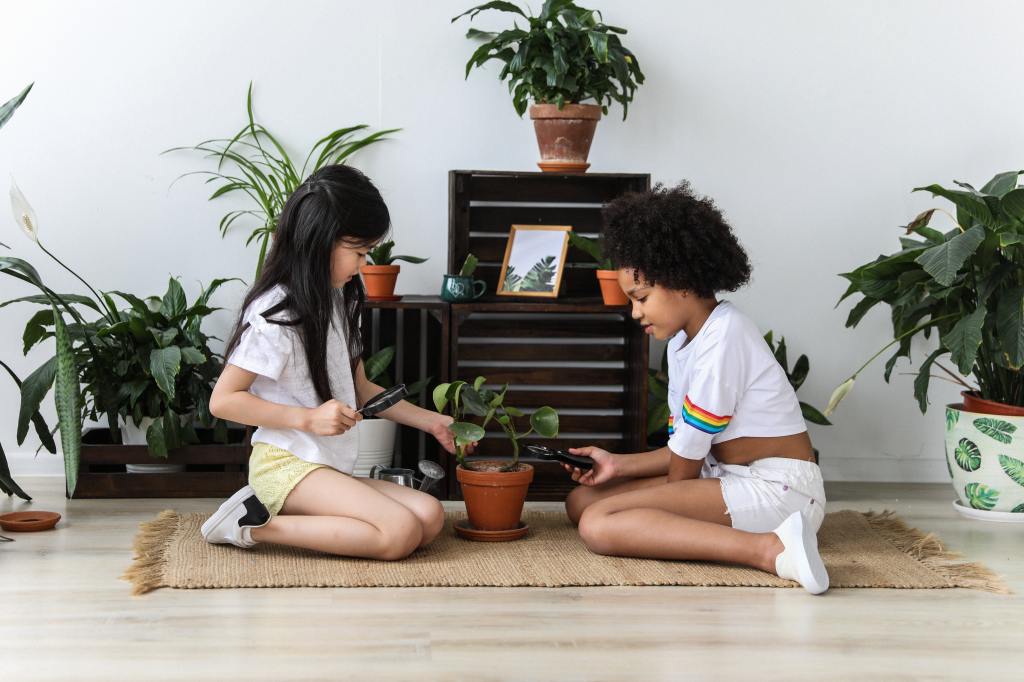
Other colours that are also relaxing are brown and beige which can balance out any brighter colours in a bedroom scheme that spark the creativity and joy. It can be easy to incorporate with natural materials like wood which once again bring in the natural from outside.

It’s important to observe however that neurodivergent children however can react differently to colours differently – some may find brighter colours overwhelming as for some it can cause a sensory overload – 85% perceive colours more intensely. In fact, a 2016 academic study showed bright yellow is particularly overwhelming for autistic boys. It has been noted that they are particularly drawn to colours such as green, whilst pale pink has been a popular colour of choice. But generally a muted colour palette is advised to avoid adverse reactions to colours.
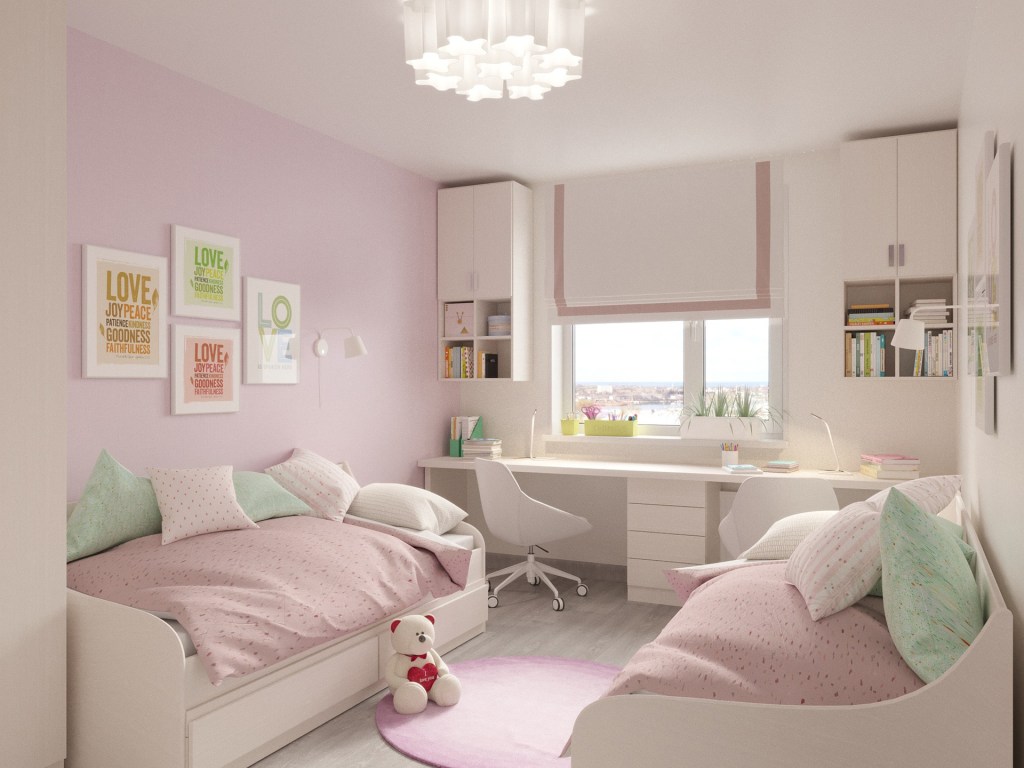
So in short, it’s an idea to include the colours that relax, calm and stimulate memory, joy and learning into nurseries, schools and classrooms as well as bedrooms at home.
Next time I’m struggling with a difficult child, I will see if I can test out the colour psychology and help calm them down!























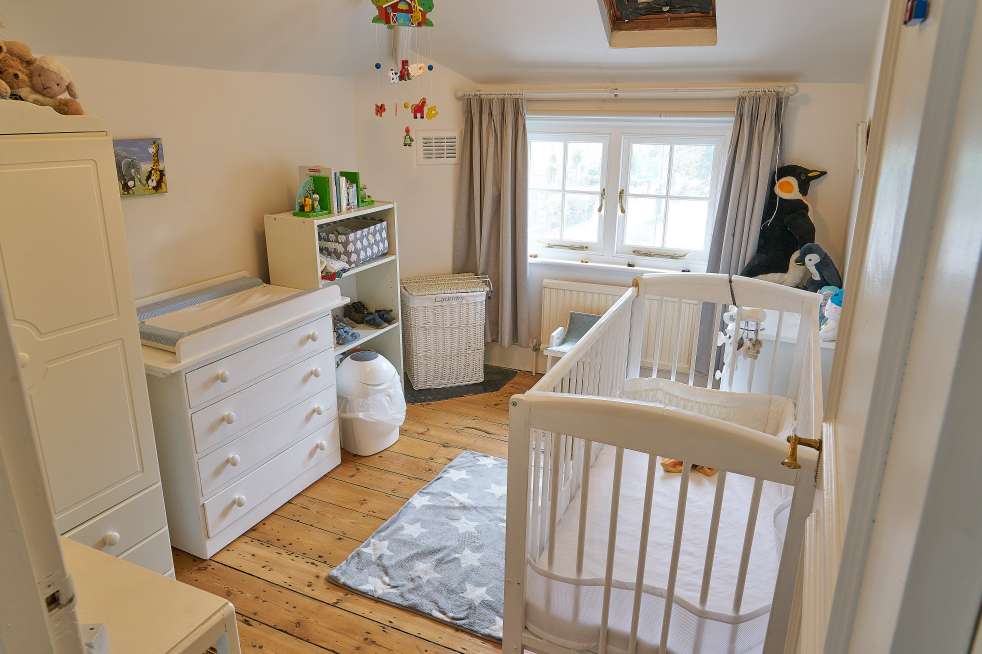
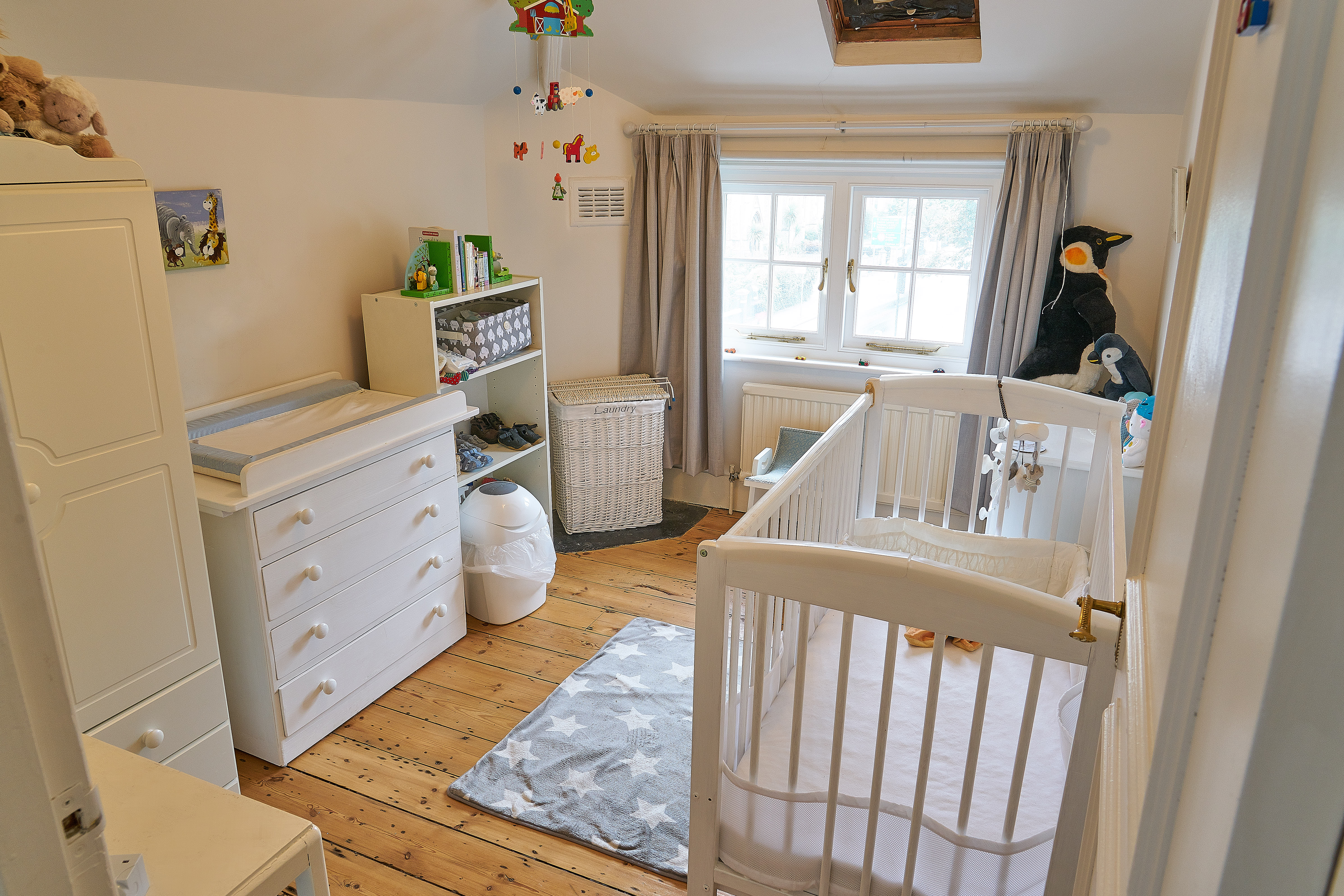 So many people think you’re lucky being petite that you have no problem finding trousers that are long enough or boyfriends who are taller and rarely have to stoop. But with it comes a whole long list of opposing problems in a world built for an ever taller nation. Looking for nursery furniture is no different.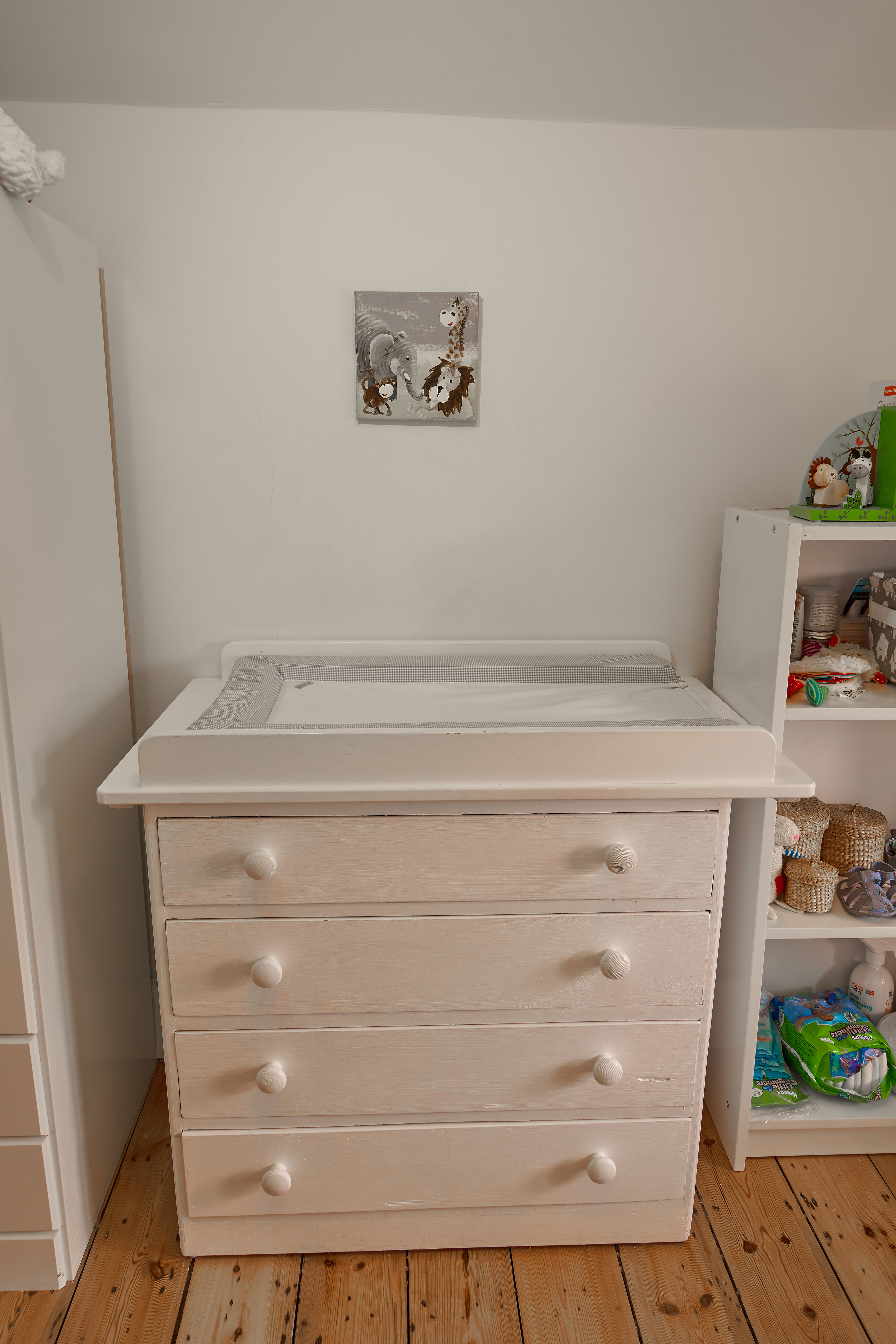


 Love Petite Living