How much is too much? And what are the effects of too much salt?
It’s easy to know to not cook with salt for children, but at what age can you start to add a bit? After all it’s nice to be able to enjoy family meals which aren’t too bland and don’t need to be doused in salt and pepper all the time before you tuck in.

The NHS advises less than 1g of salt a day for babies under 12 months. From ages 1 – 3 this then doubles to 2g a day and increases by another gram for the next age category – 4-6 years old. For 7 – 10 year-olds it’s 5g and aged 11 and over 6g of salt.
With pretty much anything ready made that you buy from bread to biscuits and salads to soups all containing sugar and salt, it’s oh so easy to overindulge without even knowing it.
This is why from weaning one is advised to never add any salt as it’s too much for a baby’s kidneys to cope with and also why one needs to seek out the special baby cereals which don’t contain salt and other fortifications.

Salt though can get listed as sodium on the nutritional information and it’s worth noting that it’s not the same. Basically anything 0.6g sodium and above per 100g is deemed high in salt.
1g salt = 0.4g sodium
2g salt = 0.8g sodium
3g salt = 1.2g sodium
5g salt = 2g sodium
6g salt = 2.4g sodium
Too much salt apparently may give children a predisposition to obesity, stomach cancer, asthma and osteoporosis as well as high blood pressure. And it’s good to get into good habits early as too much salt in adults is linked to heart disease as well as heart attacks, strokes, dementia and kidney disease.
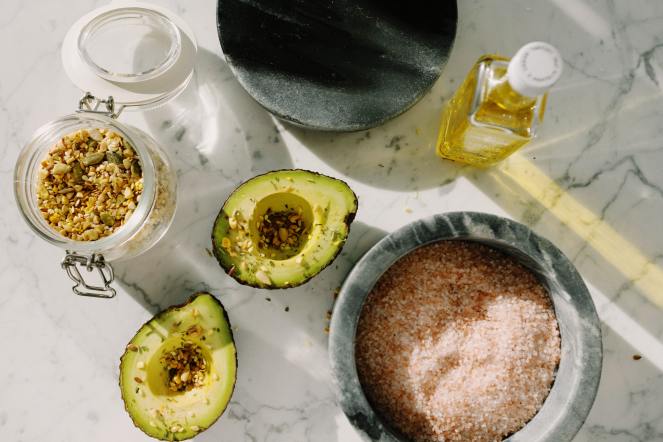
If you have too much salt, it is recommended to keep well hydrated drinking lots of water, but potassium is also known to lower salt levels naturally. As well as supplements, potassium is found in certain fruits such as bananas, but this is also why himalayan pink salt is having its day as it contains this as well as other minerals.
So if in doubt, cut it out! And for adults there are other benefits too such as less bloating and for some weight loss as a result of losing water retention.

 Love Petite Living