Colour Psychology

With the events of the past year plus affecting everyone, children have been far from immune and in some families perhaps the most affected. Don’t underestimate the power that colour psychology can have.

Whilst red is traditionally associated with anger, blue is said to have a calming effect and thus potentially helpful for babies & children. It is traditionally advised to use to help them to settle down to sleep. This is apparently because its reminiscent of the sky or sea, both of which have a soothing effect. I am definitely interested to see if more blue can help calm down my active toddler. But not only is it good for calming children, but blue has been said to boost creativity too which is another bonus.

The International Journal of Advanced Research published a study that showed blue appears to stimulate creativity in children. The study gave children between 8–12 years old a set of questions, one on blue paper and one on red. It found that the children who interacted with the colour blue were able to produce more “novel” ideas with a wider variety of answers. The red group, on the other hand, gave more “ordinary” answers.

However to spark learning, one needs yellow. Often linked to joy, it can denote the sun – and is great for boosting one’s mood – in both adults and children alike.  A landmark 1993 academic study found that children respond positively to bright colours like yellow as opposed to dark colours. It’s also associated with better concentration and memory, meaning it’s a great colour to incorporate into children’s learning. It isn’t recommended to paint an entire room in this colour by psycholgists, but to use it as an accent colour instead. Whilst this can be easier for nurseries and schools to do, at home it can be incorporated with a yellow desk, notebook, sheets of paper or paints and colouring pens & pencils more easily.

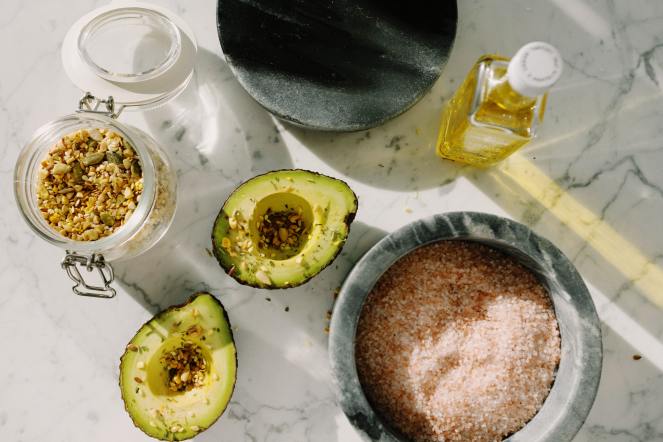
Photo by Anna Shvets on Pexels.com

Green on the other hand is calming and grounding – reminiscent of green found in nature – grass, leaves, trees, bushes etc. Similarly to blue, it’s said to be helpful for relaxing babies and helping children wind down to go to sleep. But it can also allegedly help children’s reading speed and understanding text. Again a softer green would be recommended for incorporating into a bedroom rather than a brighter green.
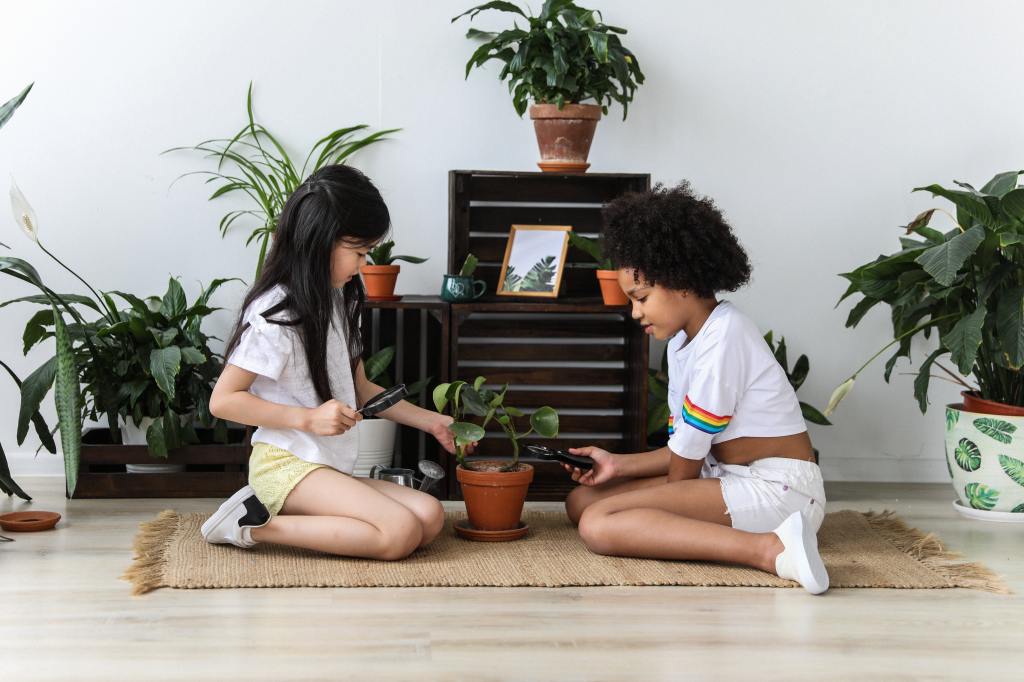
Other colours that are also relaxing are brown and beige which can balance out any brighter colours in a bedroom scheme that spark the creativity and joy. It can be easy to incorporate with natural materials like wood which once again bring in the natural from outside.

It’s important to observe however that neurodivergent children however can react differently to colours differently – some may find brighter colours overwhelming as for some it can cause a sensory overload – 85% perceive colours more intensely. In fact, a 2016 academic study showed bright yellow is particularly overwhelming for autistic boys.  It has been noted that they are particularly drawn to colours such as green, whilst pale pink has been a popular colour of choice. But generally a muted colour palette is advised to avoid adverse reactions to colours.
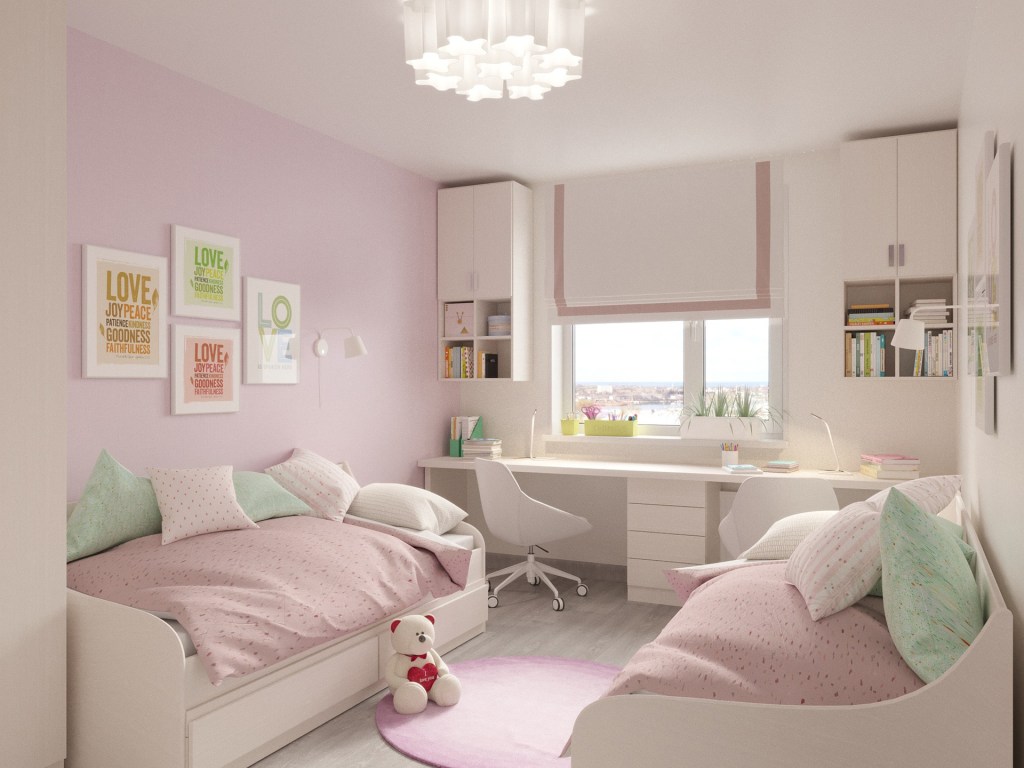
So in short, it’s an idea to include the colours that relax, calm and stimulate memory, joy and learning into nurseries, schools and classrooms as well as bedrooms at home.
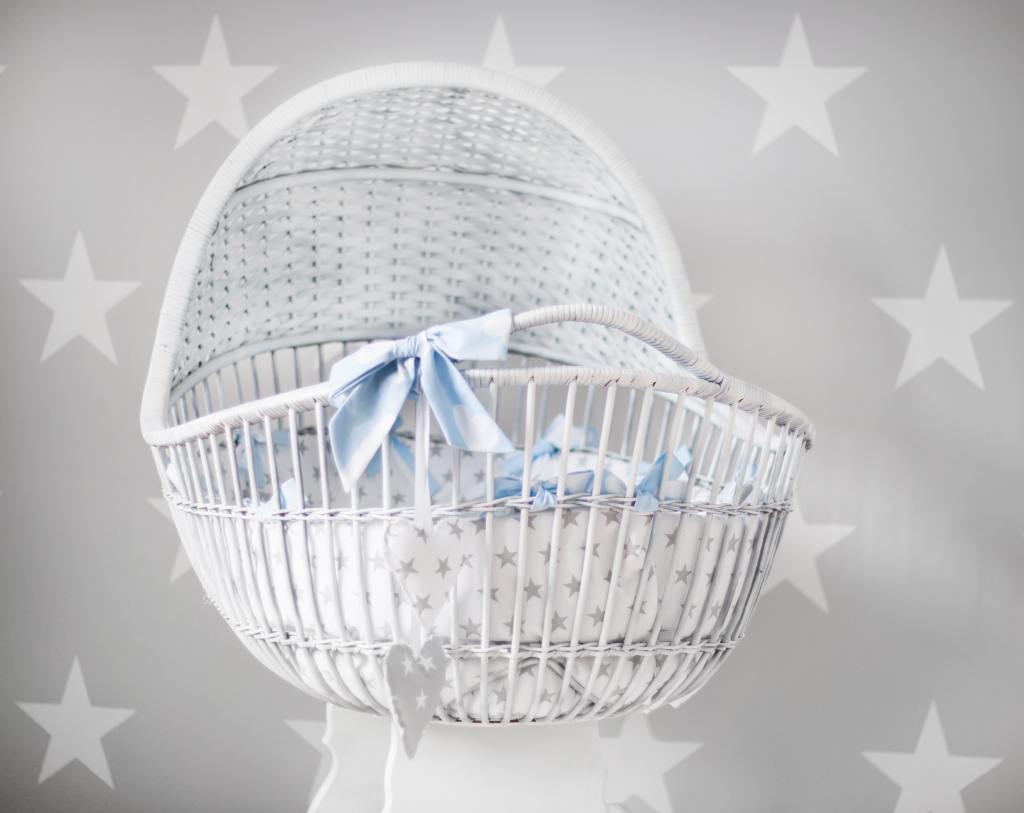
Next time I’m struggling with a difficult child, I will see if I can test out the colour psychology and help calm them down!

Baby & Child Face Creams

We spend a while looking at face creams for ourselves but how long do you take to choose a cream for your child? And just how many options are there out there.

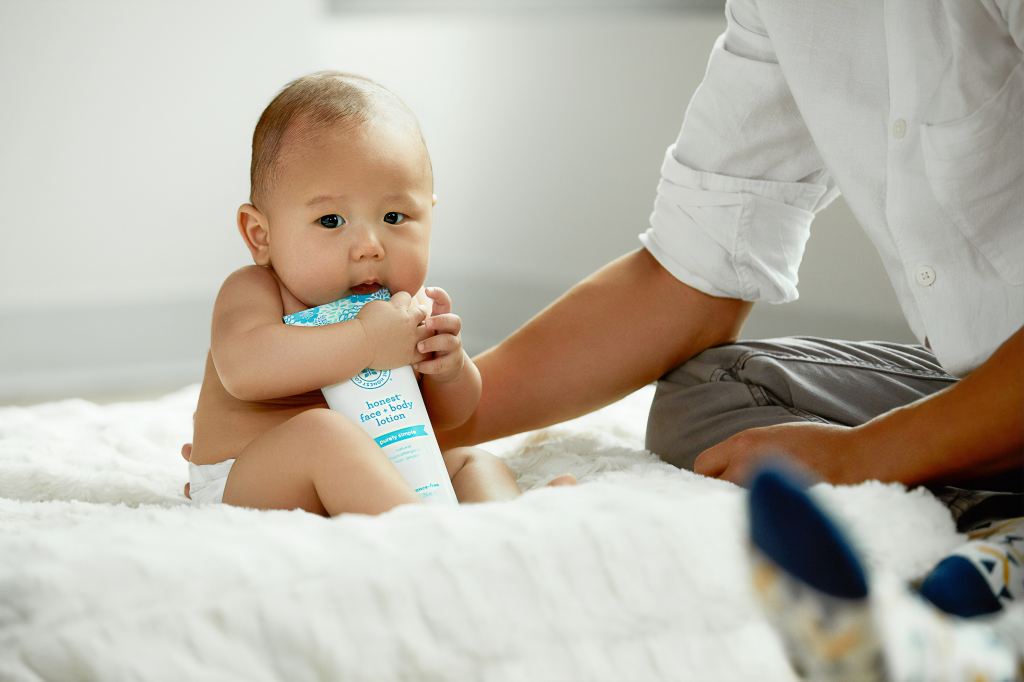
We tend to worry about selecting something for babies – in fact newborns shouldn’t really have anything put on their skin, even if they get baby acne. But for older babies, we would naturally opt for a cream which is natural and as simple as possible in terms of ingredients. In fact, these labels are easier to read and decipher than the more manufactured products. Plus the list of components is more recognisable and often has what it actually is, or derived from in brackets.

So which of the creams out there are the best for your little one – here are a few tried and tested ones which I like.

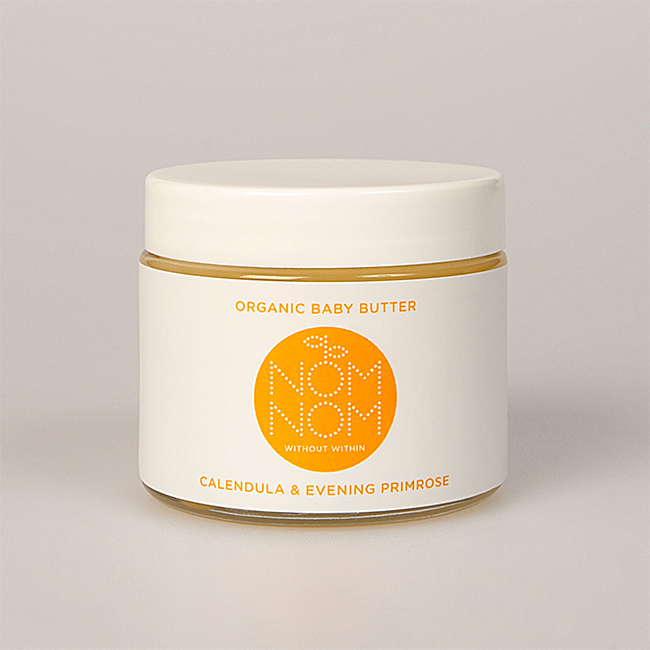
First of all Nom Nom which is both a pregnancy and baby brand has a rich ‘Baby Butter‘. This is certified organic by The Soil Association and is primarily made from Jojoba – which is intensely hydrating and gives it the richness; calendula with antifungal, antibacterial, anti-inflammatory and even antiseptic properties. Blended with Evening Primrose oil, it contains gamma-linolenic acid (GLA) and omega 6 fatty acid, which has healing benefits which can also help eczema. Not surprising since studies have shown it to help with elasticity, moisture and firmness. Other ingredients are coconut oil, sunflower seed oil, sunflower and shea butter.

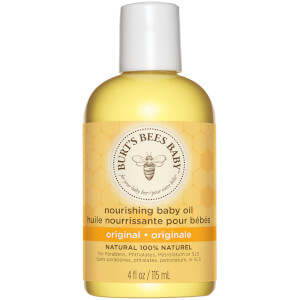
Then there is the Burts Bees Nourishing Oil which I have used sparingly on the cheeks when they feel dry which is formulated with sunflower, rapeseed, wheatgerm, grape seed and apricot oils which are all natural and nourishing. This is certified cruelty free as well as being responsibly sourced.

The Neil’s Yard Baby Oil is also something which I have been testing on the boys. Again this is made with sunflower oil but blended with jojoba oil and includes borage which is a skin conditioning agent.

Another one I like is the Badger Baby Balm – this is again another blend of oils but in a vaseline style format – so much so I was surprised it didn’t contain the petroleum jelly vaseline does. It is in fact made from extra virgin olive oil, castor oil together with beeswax, calendula and roman camomile. So it must be the beeswax giving that texture and the oils which nourish with camomile and calendula soothing. It definitely helped clear up a nappy rash. But I think I prefer creams for the face.

Organic Babies Soothing Baby Salve 30ml

The Organic People Soothing Baby Salve (Lavender) is what I am trying to use when I remember and have the product to hand. (I have to keep hiding this from the children who play with the products). Again this has Shea Butter (deeply nourishing) & Calendula (soothing & moisturising) but with the addition this time of Hemp (restorative, an emollient and moisturising) & Lavender oil (calming & anti-inflammatory). This is also suitable for eczema and sensitive skin plus it is certified organic, vegetarian and cruelty-free. I think this was my favourite for the face so far and seemed to help the best. So I am trying to continue using this one.

Let me know if there’s anything else you’ve tried that’s natural and really great for children’s cheeks.

Sandpaper Skin Syndrome

If like me your child has rough patches on areas such as the top of the arms, don’t be alarmed. It didn’t worry me too much as I just assumed it was dry skin, however I wanted to be sure I wasn’t overlooking anything and looked it up to work out what it actually was.

Like adults, children can get ‘keratosis pilaris’ which is also known as chicken skin – when body skin looks pimply or spotty. But it can also manifest itself as sandpaper-like skin that feels really rough to the touch. As well as the arms (my eldest’s problem area) it can also affect thighs, cheeks and even bottom cheeks. Other symptoms are redness, and excessively dry skin patches.

But rest assured it definitely isn’t anything to worry about. in fact it apparently affects up to 50% of the population at some point or other. It’s common amongst young children and doesn’t need treatment as such but can be moisturised.

It generally occurs when the hair follicle gets blocked with keratin- a protein which gets over produced in these areas. And tends to be worse at the change in seasons. It happens because the keratin in the hair gets clogged in the follicles and causes the bumps, red, dry or rough patches. So a bump forms over where a hair should be. This can be genetic and is also associated with other conditions like eczema.

Look out for moisturisers that contain AHAs – alpha hydroxy acids – these are lactic acid (derived from milk), uric acid (urea) and even glycolic acid. The idea is that the acids smooth the skin cells on the surface to minimise any irritation. But not all are deemed suitable for young skin.

It’s best to moisturise the skin directly after a bath and ensure that it isn’t too hot. Avoiding clothing that’s too tight which can also help alleviate it.

We have tried the Ameliorate Transforming Body Cream which really has worked wonders. (Suitable for three years and over) There are others I’m sure which would work just as well but I prefer the more natural ones. Another cream I swear by is Epionce Renewal Calming Cream which is also brilliant at clearing things up. Let me know if there’s anything else you’ve tried which has worked well.

Sun Cream ABC

Choosing sun cream is something I used to always take lightly. But these days there’s so much more to factor in. Is it natural? Cruelty free? Water resistant? Broad spectrum? Baby safe? Suitable for pregnancy? Recyclable packaging? Reef safe?

Back a couple of decades ago when all I wanted to be was brown, I would slather on tanning oil, use sunbeds (occasionally) and try and get a tan as quickly as possible. The factor I sought was lower to tan quicker.

A friend then told me the biggest beauty secret to staying youthful was using SPF on your face every day. So I started to do this, buying into its benefit. Then I became aware through working with independent experts the value of SPF30 as a minimum that one should use to avoid skin cancer, coupled with the importance of purchasing a UVA & UVB suncream or broad spectrum. In short, UVB is protecting the top layer of your skin and preventing damage. UVA however protects the deeper layers of skin, thus helping to prevent wrinkles.

These days natural, organic ingredients are very du jour but one has to be careful as organic doesn’t mean it doesn’t have chemicals in still. For example during my first pregnancy, I chose a lovely suncream from Holland & Barrett which was organic, paraben free etc but actually, it does have a chemical sunscreen in it from an organic compound. But something I also learnt more recently was that some of the common chemicals (such as octinoxate and oxybenzone) damage the world’s reefs which are sadly deteriorating at rapid rates already. They do so by bleaching the coral and making it more at risk of infection so I’d definitely avoid these now.

The best bet for something safe for reefs, not to mention babies, toddlers and pregnancy, is titanium oxide and zinc oxide as together these tackle both types of rays naturally and do not cause any other effects or leech into breast milk etc. These bounce the sun’s rays off the skin as opposed to absorbing them like the chemical formulas do. Some formulas are whiter than others, but if you pick a good one, you don’t end up looking like a glow-worm!
Also now the issue of packaging waste in beauty is quite topical, so more and more brands are getting on board with this and using recyclable materials and not boxing products either. If you look at the back of the product it should say if it’s recyclable or made from such.

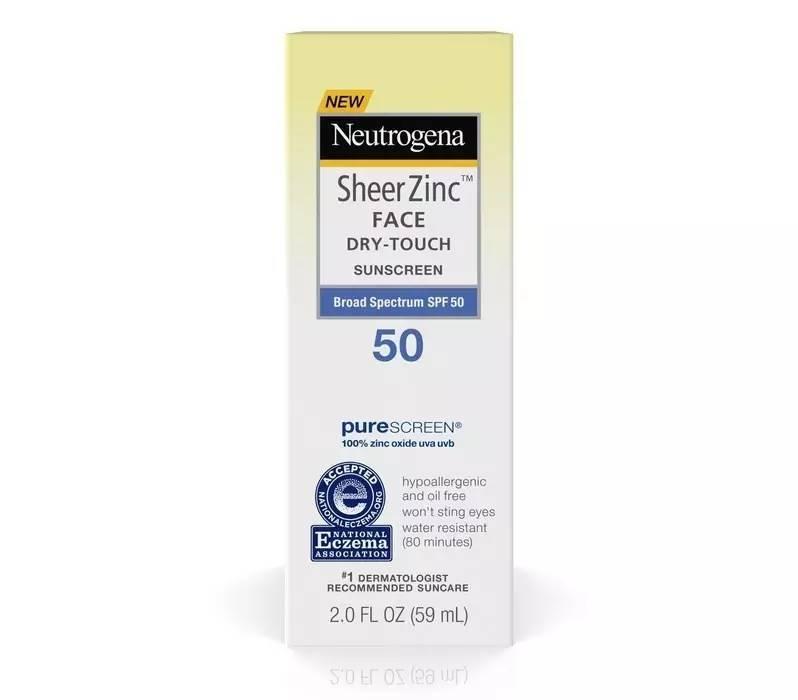
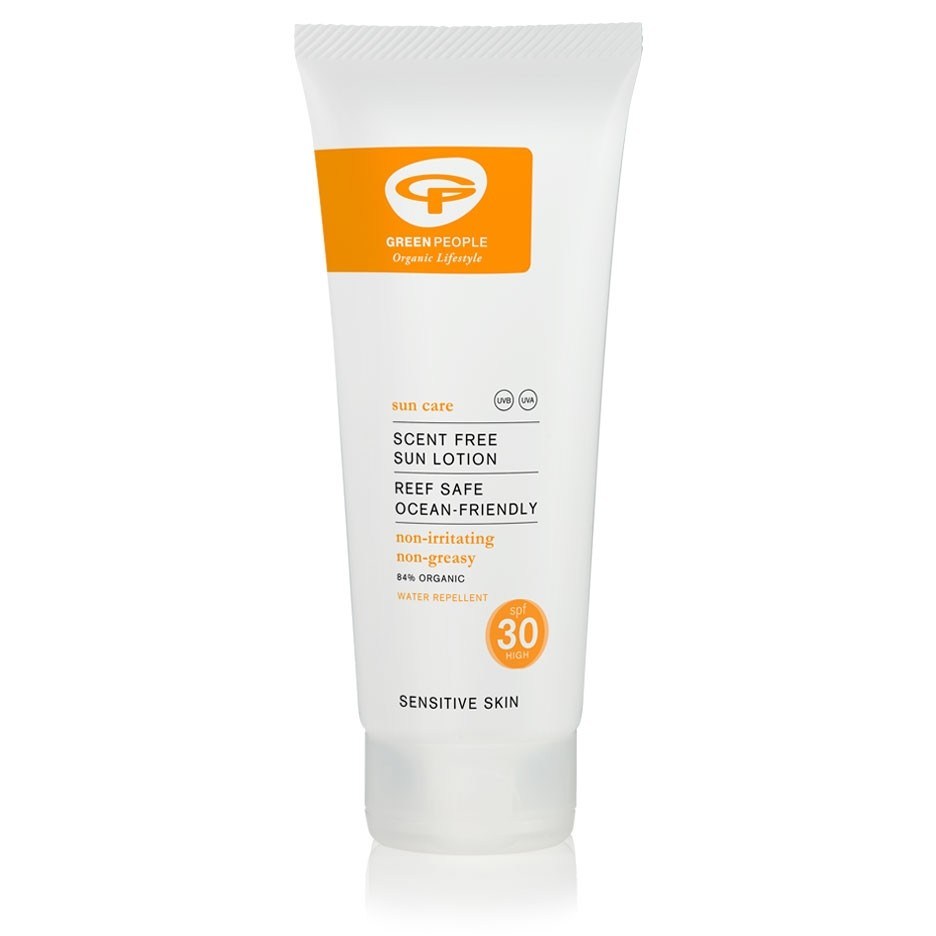
So this year and last, I invested in Green People SPF30 which ticks all the boxes and I have found it to be not very whitening on application. Wholefoods – which also stocks this – came up trumps with a tube which I use for my face, called Acorelle an SPF50 which although it isn’t specifically a facial one, but for babies, it works. I also liked the look of Neutrogena and Aveeno SPFs in general so may well end up trying them another time.

I found this chart useful for understanding the ingredients.

Check out Green People here

Salt Intake: How much is too much?

How much is too much? And what are the effects of too much salt?

It’s easy to know to not cook with salt for children, but at what age can you start to add a bit? After all it’s nice to be able to enjoy family meals which aren’t too bland and don’t need to be doused in salt and pepper all the time before you tuck in.

The NHS advises less than 1g of salt a day for babies under 12 months. From ages 1 – 3 this then doubles to 2g a day and increases by another gram for the next age category – 4-6 years old. For 7 – 10 year-olds it’s 5g and aged 11 and over 6g of salt.

With pretty much anything ready made that you buy from bread to biscuits and salads to soups all containing sugar and salt, it’s oh so easy to overindulge without even knowing it.

This is why from weaning one is advised to never add any salt as it’s too much for a baby’s kidneys to cope with and also why one needs to seek out the special baby cereals which don’t contain salt and other fortifications.

Salt though can get listed as sodium on the nutritional information and it’s worth noting that it’s not the same. Basically anything 0.6g sodium and above per 100g is deemed high in salt.

1g salt = 0.4g sodium

2g salt = 0.8g sodium

3g salt = 1.2g sodium

5g salt = 2g sodium

6g salt = 2.4g sodium

Too much salt apparently may give children a predisposition to obesity, stomach cancer, asthma and osteoporosis as well as high blood pressure. And it’s good to get into good habits early as too much salt in adults is linked to heart disease as well as heart attacks, strokes, dementia and kidney disease.

If you have too much salt, it is recommended to keep well hydrated drinking lots of water, but potassium is also known to lower salt levels naturally. As well as supplements, potassium is found in certain fruits such as bananas, but this is also why himalayan pink salt is having its day as it contains this as well as other minerals.

So if in doubt, cut it out! And for adults there are other benefits too such as less bloating and for some weight loss as a result of losing water retention.

Petite Pregnancy Dressing

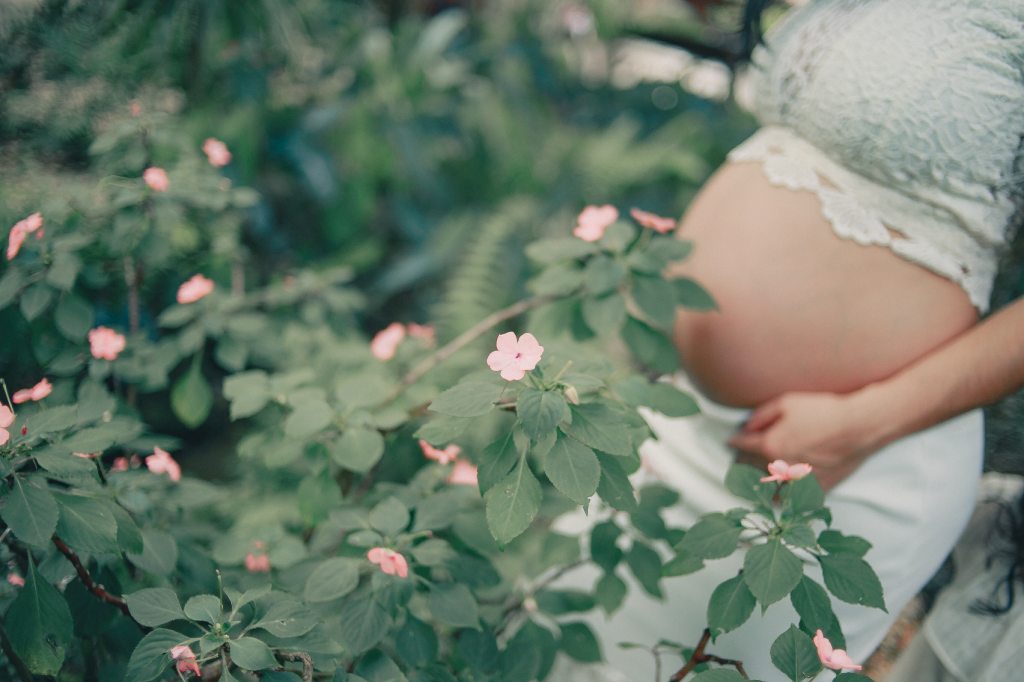
I’ve found pregnancy dressing a little harder this time around. Partly due to a different season and partly due to a lack of options in a small size. Most pregnancy ranges don’t even go down to my size! So where to shop? It depends on your exact shape but for me – at just 5ft and a size 6 it was more trial and error for this baby. But I did discover tricks and other places to look.

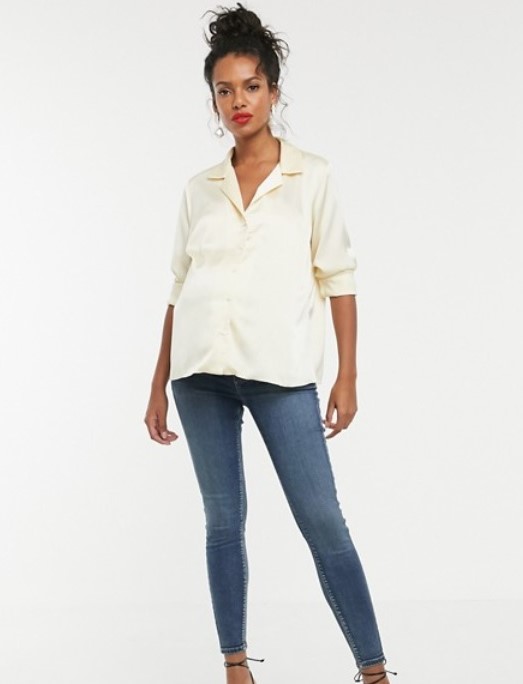
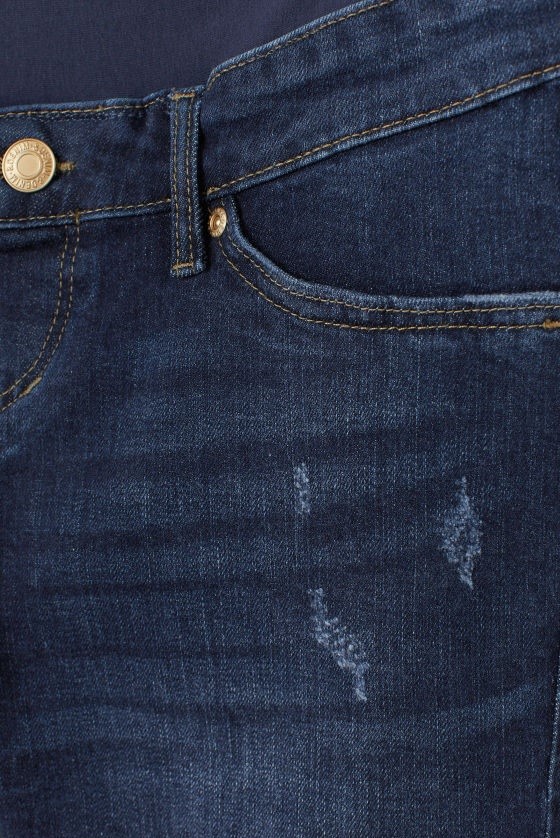
Asos Petite where I had success the first time around with basic pregnancy jeans seems to be selling very few things and no new styles have been added to the range all the time I’ve been pregnant. So sadly I couldn’t find any blue denim options there at all – it would have been easy to simply buy the same again in blue. After trying various other brands I realised that I definitely need a shorter option or petite fit and that ripped knees are out of the question….

The cropped style I first compromised on (grey not blue denim and slightly higher waist or bump band) from H&M seemed to fit well when I tried them on but slip down when I wear them. It totally prevents use of back pockets for phone etc which isn’t very convenient. I then understood that it was more the sizing issue and that I needed to go down a size in this brand as it’s become more a vanity sizing store (I think after the lady who moaned she didn’t fit their size 12 but did in other brands). But I did find other trousers in the smaller size that fit better without falling down albeit a little too long and with the over-the-bump-band. Not to mention a couple of great holiday & Summer pieces which are easier to fit.

The other place I found success again was ASOS – this time I chose a cropped denim style but when they didn’t fit on the leg decided to attempt my own little hack and put them in the washing machine on a higher heat and tumble dry after, which managed to do the trick – they seemed to fit much better all over and mean that I will have this pair to alternate with my old black ones for winter!

These under-the-bump styles also have longevity as they prove useful post partum too with a baby when you need to to the loo in a hurry and pull up jeans with one hand s just me…(or is that just me?)

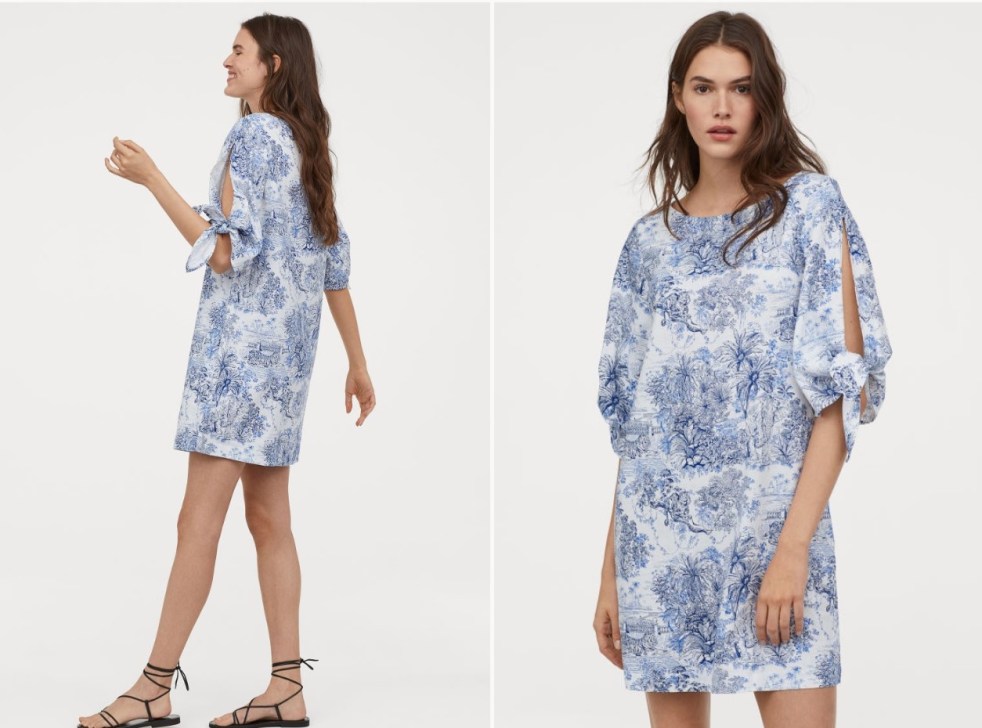
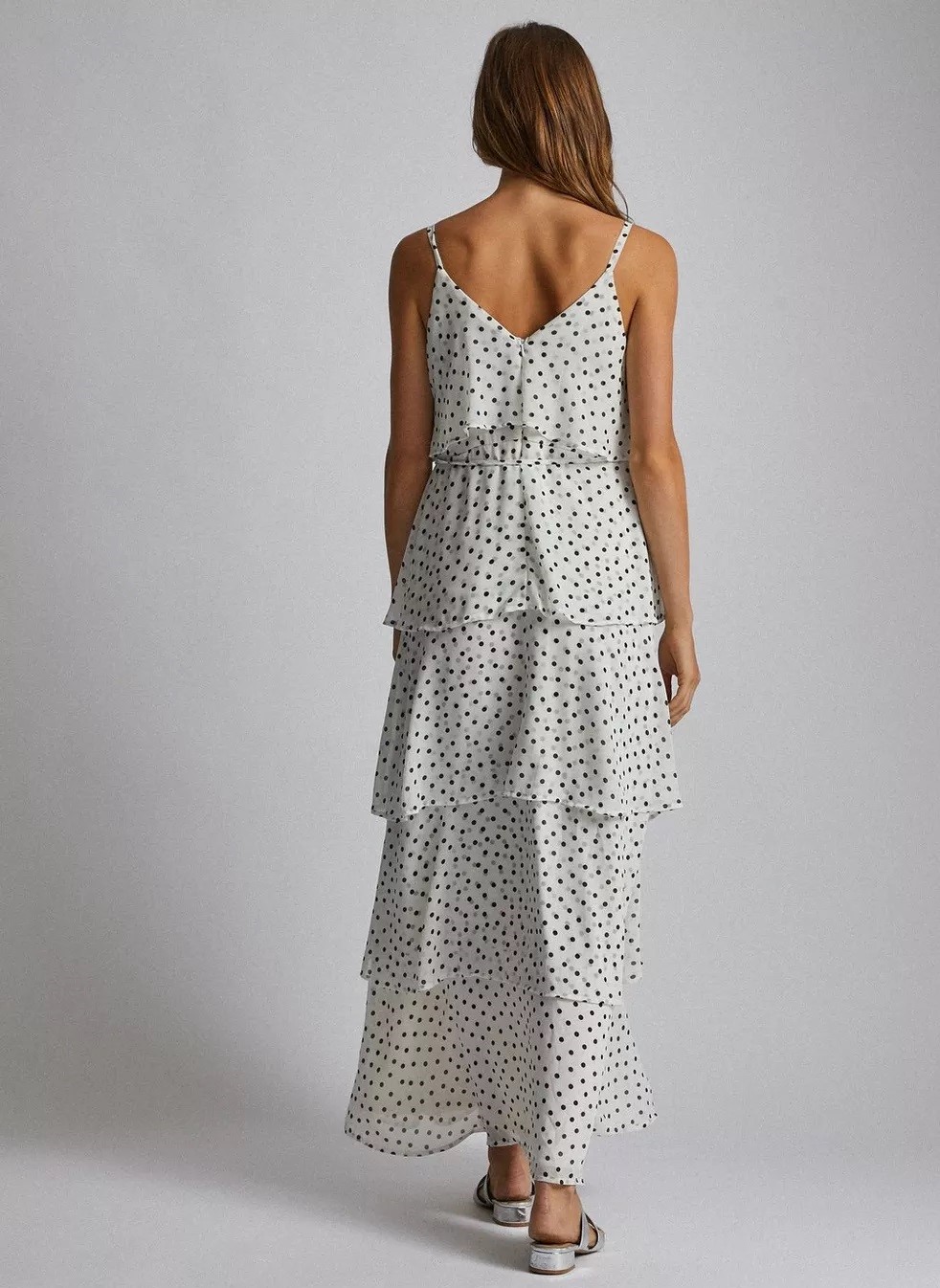
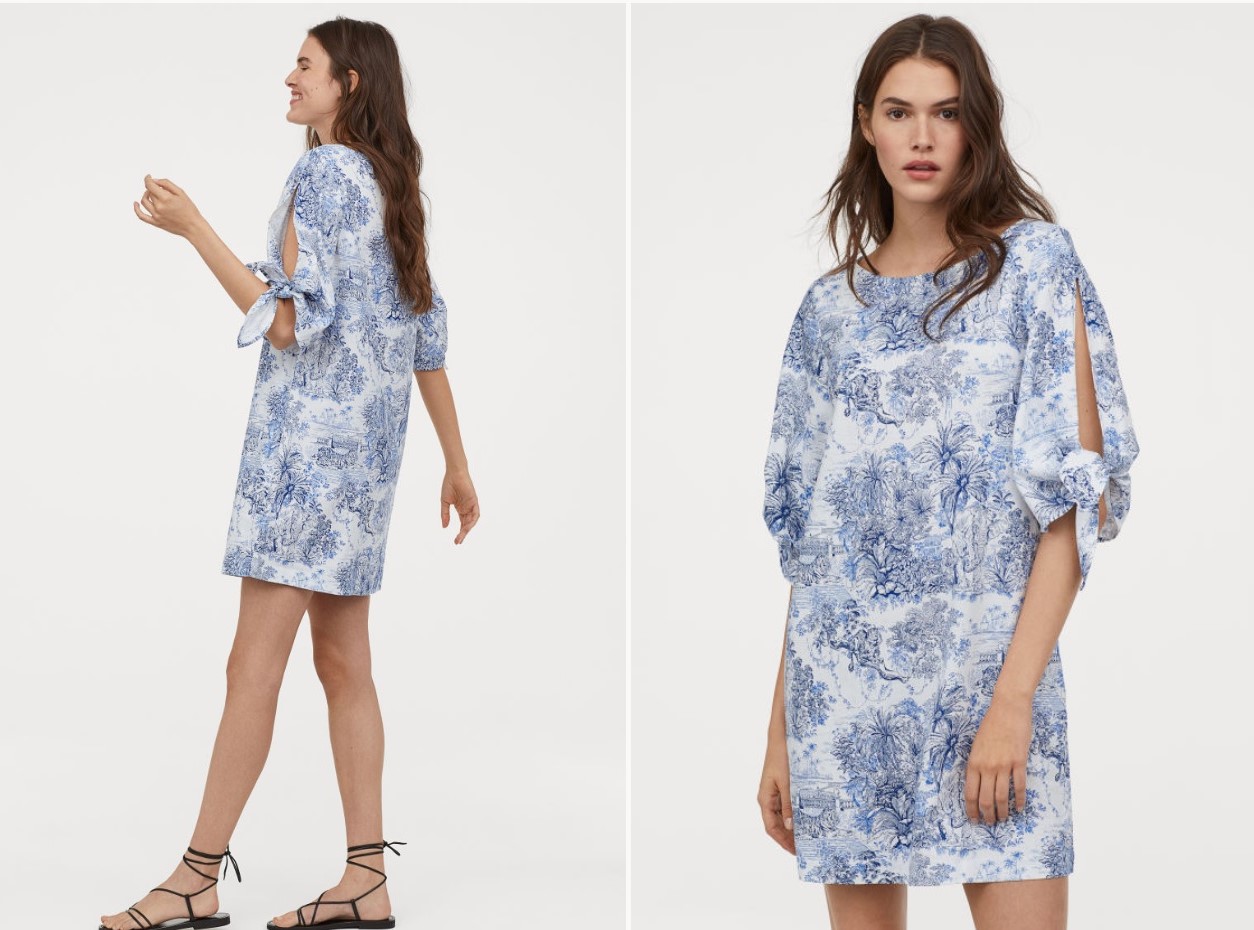
The other store I found a nice dress in was Dorothy Perkins – not quite the tiered style I had been hankering after but a shorter version (see similar above) The only downside was discovering that a nice ribbed polo neck actually itches me too much as it is not all natural so sadly that can’t be worn…

It’s worth a look at the normal range too and picking out styles that are roomy and will allow for a bump – maxi and tiered dresses for example. But this one above from H&M worked for me and in the smaller size despite being pregnant.

A word of warning read your labels carefully as your skin becomes a lot more sensitive whilst pregnant.

http://www.asos.com https://www2.hm.com www.dorothyperkins.com

Pregnancy Products & Ingredients to Avoid

As if it isn’t tough enough when you’re pregnant, with sickness, growing larger and being uncomfortable, as well as avoiding certain foods, you also should be aware of potentially harmful ingredients in cosmetic products.

It’s all too easy to not pay attention to what you’re putting on your skin, nails and hair etc but actually some of these can have a harmful effect. Whilst some things can be absorbed by the skin (and have found their way into breast milk), others can accidentally be inhaled and are potentially harmful to a developing foetus.

So what to avoid. There are obviously different schools of thought for example a local pharmacy said it’s ok to use normal lemsip for a couple of days (not the Max version) but another advised to avoid those with phenylephrine. But here is what I try to avoid:

  1. Aluminium Chloride Hexahydrate & Aluminium Chlorohydrate – in deodorant/anti-perspirant – very few avoid this! Try Salt of the Earth & Neals Yard instead to eliminate the risk of Alzheimers that it’s been linked to. Some also believe there’s links to breast cancer.
  2. BHA (Beta Hydroxy acids) & salicylic acid, 3 hydroxypropionic acid, trethocanic acid, tropic acid – taken orally salicylic acid can cause intracranial bleeding in a foetus.
  3. BPA (Bisphenol) – Basically a type of plastic in polycarbonates and epoxy resins used for water bottles and food containers, it can leach into food & drink, possibly affecting children’s brains and prostate glands of foetuses, with links to behavioural problems.
  4. Chemical sunscreensAvobenzone, homosalate, octisalate, octoocryolene, oxybenzone, octinoxate, oxtocrylene, menthyl anthranilate. Opt for titanium dioxide and zinc oxide (mineral blockers) instead as apparently chemicals have been linked to development of the nervous system, ADHD and obesity.
  5. DEA (Diethanolamine) & oleamide DEA, lauramide DEA, cocomide DEA – in hair and body products can have carcinogenic effects.
  6. DHA (Dihydroxyacetone) – self tan – worse in spray form – as there is a much higher risk of allergy in pregnancy.
  7. Diazolidinyl Urea – found in mascara, this can release formaldehyde (see below).
  8. Essential Oils – Whilst seemingly natural, jasmine & clary sage have been known to induce contractions and rosemary oil can cause bleeding, increase blood pressure, but oils in general can be safe when diluted in the right quantities.
  9. Formaldehyde & 2-bromo-2nitropropane-1, 3-diol (bromopol), dimethyl-dimethyl (DMDM), diazolidinyl urea, hydantoin, imidazolidinyl urea, quarternium-15, sodium hydroxymethylglycinate – found in nail varnishes & hair products like straightening products, eyelash glue. These can affect fertility and miscarriage if one works with these products. It is known to cause cancer and has been found in breast milk.
  10. Fragrance & cinnamol, citronellol, eugenol, geraniol, limonene, linalool, parfum, perfume. These are often made up of other harmful chemicals with links to nervous system development and cancer. Look for products labelled fragrance-free.
  11. Hydroquinone & 1-4 benzenediol, benzene, 4-diol, idrochinone, quinol – basically lightening agents – often in face creams and lotions for melasma or the pregnancy mask but really it’s better to use good sunscreen and see how it naturally subsides post pregnancy.
  12. Parabens & butyl, isobutyl, isopropyl, methyl parabens, propyl – preservatives to make products last should be avoided as these are hormone disruptors.
  13. Phthalates & diethyl, dibutyl – found in synthetic fragranced products & varnishes, it’s traditionally used to stabilise products but has been linked to liver, kidney lung and reproductive issues.
  14. Retinol or Vitamin A & adapalene, isotretinoin, retinoic acid, retinyl palmitate, retinaldehyde, tazarotene, tretinoin – excessive intake can affect normal foetal development ie lead to birth defects.
  15. SLS (sodium lauryl sulfate) & SLES (sodium lauryl ether sulfate), ammonium lauryl sulfate, sodium dodecyl sulfate, sodium laureth sulfate, sodium pareth sulfate – this foaming agent used in soaps, haircare and face washes isn’t able to be broken down by the body, so it can affect the nervous system, kidney and liver function.
  16. Thioglycolic acid & acetyl mercaptan, mercaptoacetate, thiovanic acid – in hair removal products. These may irritate your skin more during pregnancy and are more likely to cause an allergic reaction.

No nappy rash Nappies

Did you know that it takes between 200 – 500 years for disposable nappies to biodegrade? ie they aren’t really biodegradable?

Whilst true eco warriors advocate reusable clothe nappies, these aren’t always practical in this day and age out & about – where & how do you store a dirty nappy that’s rather bulky and is highly liable to smell? Plus all that washing and drying warrants a house with a garden and clothes line or a dedicated utility or laundry room both of which I do not have at the moment.

Now thankfully there’s a compromise in the form of new wave of ‘eco nappies’ which are a halfway-house between the two. These don’t contain the potentially harmful chemicals and also therefore have less chance of giving your baby eczema, nappy rashes or discomfort.

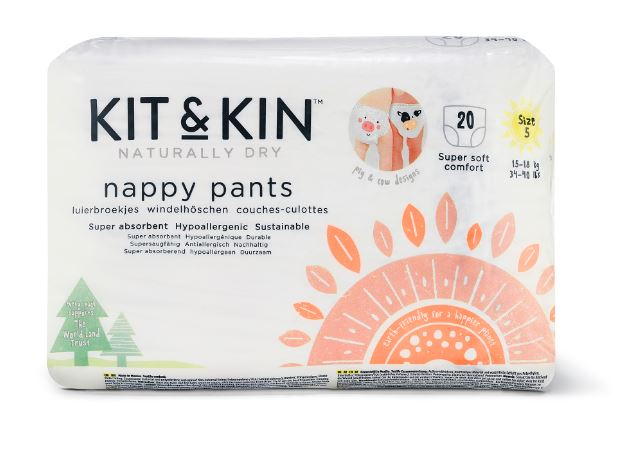
The brand I have been using a lot are Beaming Baby which have up to 54% less chemicals that other brands. Then there is another one, Kit & Kin co-created by Emma Bunton which is natural and sustainable. It promises that for every pack sold, it helps fund the purchase of a rainforest through the World Land Trust to help minimise deforestation.

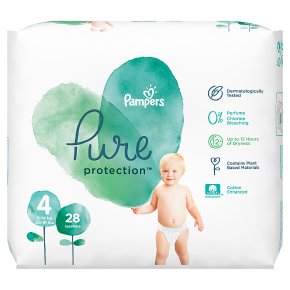
Pampers also seems to have brought out a ‘Pure’ range which I have only just discovered but that has been around for a year and a half already. This they claim is crafted with premium cotton and 100% plant based materials which are hypoallergenic for babies’ skin. I have now used these for a while (due to convenience as they’re in local shops and can arrive with shopping order). The only brand I didn’t get on with was Naty which seemed to constantly fall off my son – but maybe that was a dud batch…

Shop at http://www.kitandkin.com and http://www.beamingbaby.com and www.pampers.co.uk/nappies-wipes-pure/pampers-pure-collection


Jean Genie

So jeans are one of the trickier things to buy when you’re petite and the fit can be pretty standard for most brands and personally I’ve rarely liked the style of the jeans that I find in petite ranges, let alone trying to find your size on the rack.  In my experience, in London, the smallest sizes always go first!

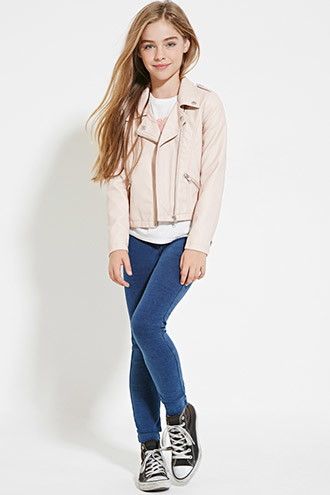
After years of trial and error, as well as fluctuating sizes, I have found the brands that fit best for me at 5ft. These are Gapkids and Benetton. At Gapkids, the age 12 jeans in my opinion are cut quite generously so they seem to fit me like a glove (okay less so after giving birth!) What’s more is that they are super cheap in comparison to lots of the adult brands. a) because there is no tax  on children’s clothes b) because there are pretty much reduced items all year round and non traditional styles and designs get marked down c) there are often flash sales with a percentage off for a weekend or other discounts.

Jade-jade-weber-40572400-330-495

This means no cutting of huge swathes of material at the bottom of the jean, no getting a tailor to hem the bottoms and justifying getting lots of different styles as they are so cheap! And that they are the perfect length. Hooray! The downside however, is with fun designs, spotting a little kid wearing the same as you, but as I tend to stick to plainer ones these days, this isn’t an issue with jeans. (Other pieces are a different story!). Then the other minus is that you don’t get a super smart luxe finish like you can on some pairs of denims.

The Benetton fit is also very good for me as Benetton tends to be cut small for the petite Italian lady, hailing from over there. Whilst I don’t have the Italian tiny waist, hips & bottom (only waist) I fill out this area and the length ends up being pretty good on me. Some of them end up having wrinkly bottoms with a bit of extra material, but this is quite a good look sometimes – if it’s good enough for Kate Moss…!

I do have a few other pairs from over the years but these don’t fit as well I wouldn’t say – Miss Sixty – way too long for me, 7 For All Mankind – again needed tailoring, Ralph Lauren – still too long but not a bad fit.  TK Maxx is another good place to have a browse as the jeans there are the ones that don’t sell well from other shops so you’re bound to find some rejects which actually fit you perfectly!

Petite Fit Furniture

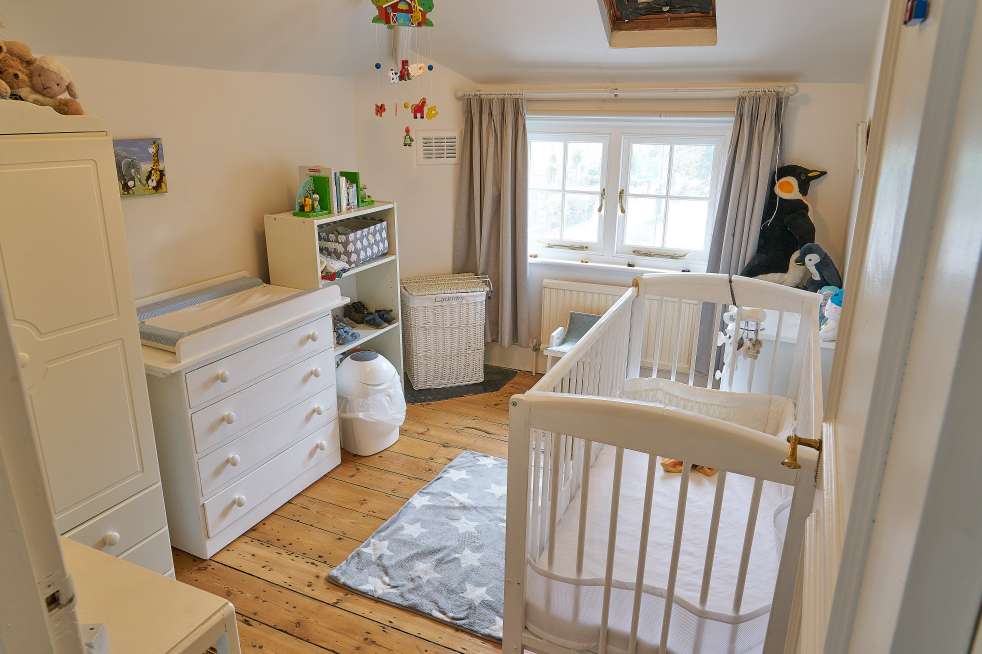
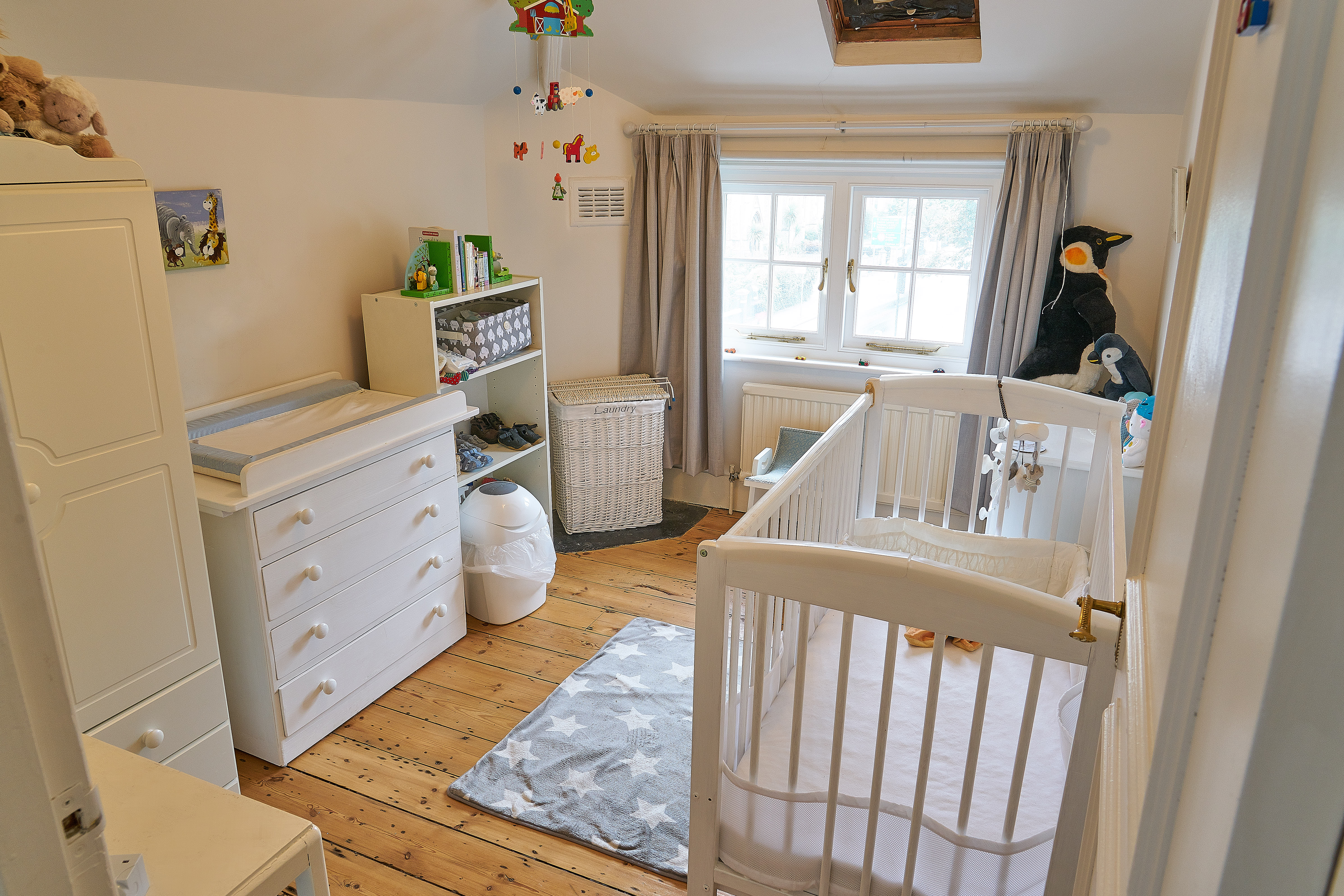
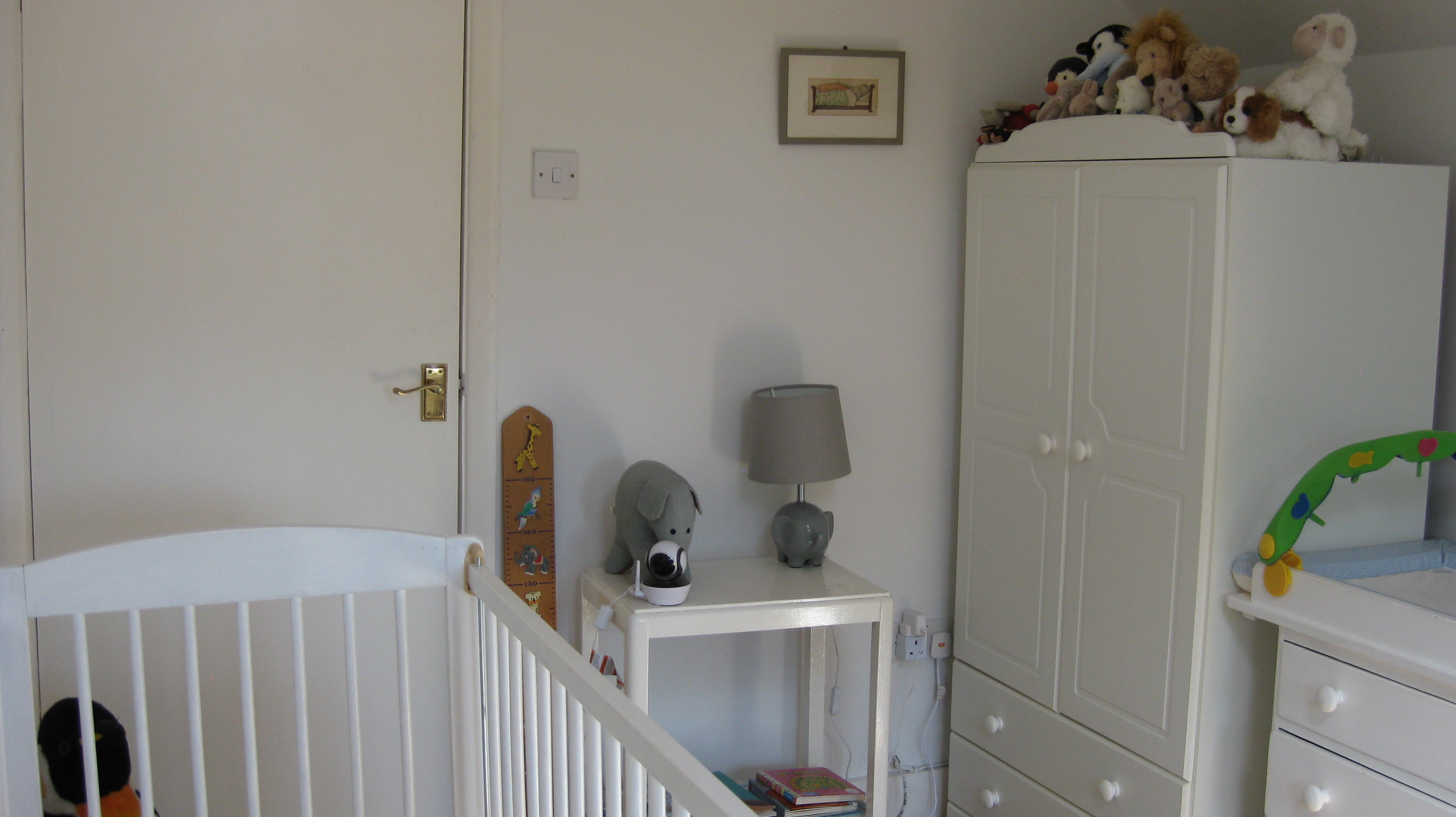
DSC03257 2So many people think you’re lucky being petite that you have no problem finding trousers that are long enough or boyfriends who are taller and rarely have to stoop. But with it comes a whole long list of opposing problems in a world built for an ever taller nation. Looking for nursery furniture is no different.
DSC03254

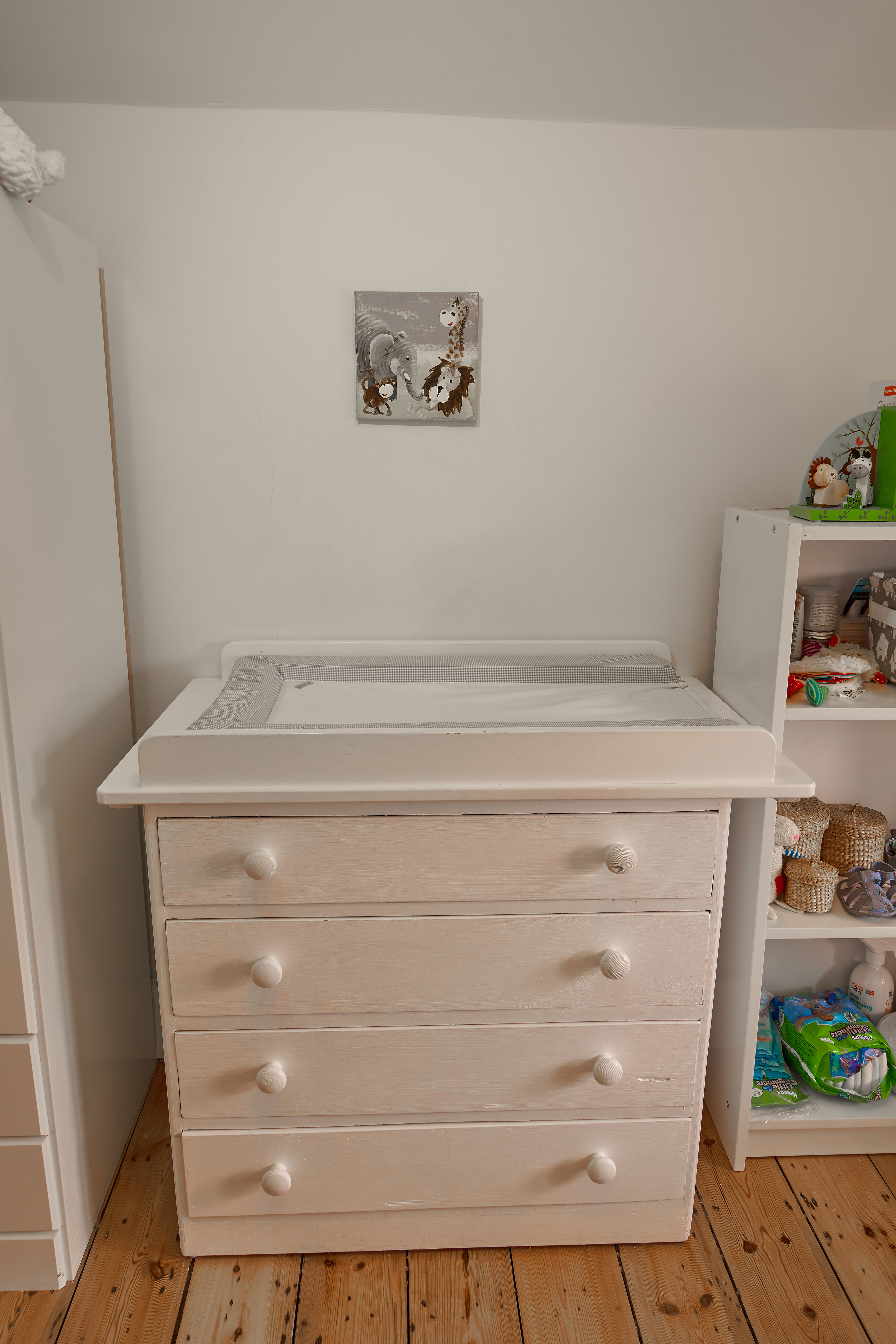
The key problem I found was that all baby changers seem to be built for what I felt were 10 foot giants. I really had to stretch up to them and trawled many a website checking stats looking for something that wasn’t so high as everything I had seen in shops. No such luck.

IMG_1276

Equally I had problems finding solid children’s chest of drawers. Everything seemed to be so flimsy – either MDF or that bendy fibreboard and plastic coating. As I struggled to find anything attractive at a good price that I felt would last through the first few years, I decided to paint what I had in the room already.  These were pretty hideously varnished in a dark hue yet perfectly functional wooden chests of drawers that I inherited with my flat. Luckily I had not got around to disposing of them.

IMG_1288

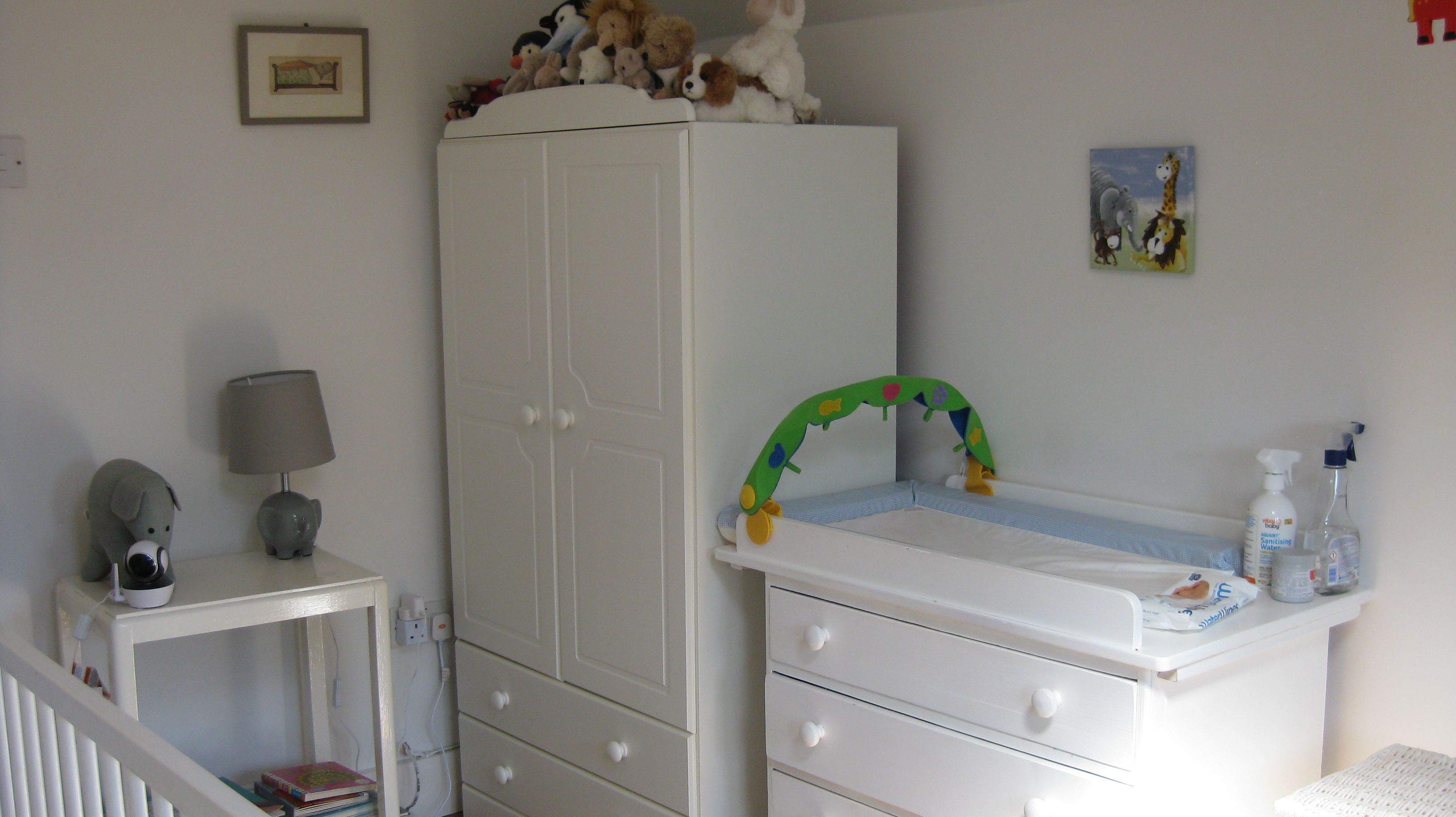
I then solved the baby changer problem by refreshing a white babychanger which had come atop a cot – painting it the same colour white. It sits on top of the chests of drawers perfectly and is the ideal height for me.  The trick is finding an old mini chest of drawers rather than the large modern, higher ones which are on sale these days. Second hand shops are most likely the best bet. I have a fabulous one just around the corner from me – Eccles Road Antiques and there is also the wonderful Northcote Road Antiques market.

DSC03244 2

DSC03241

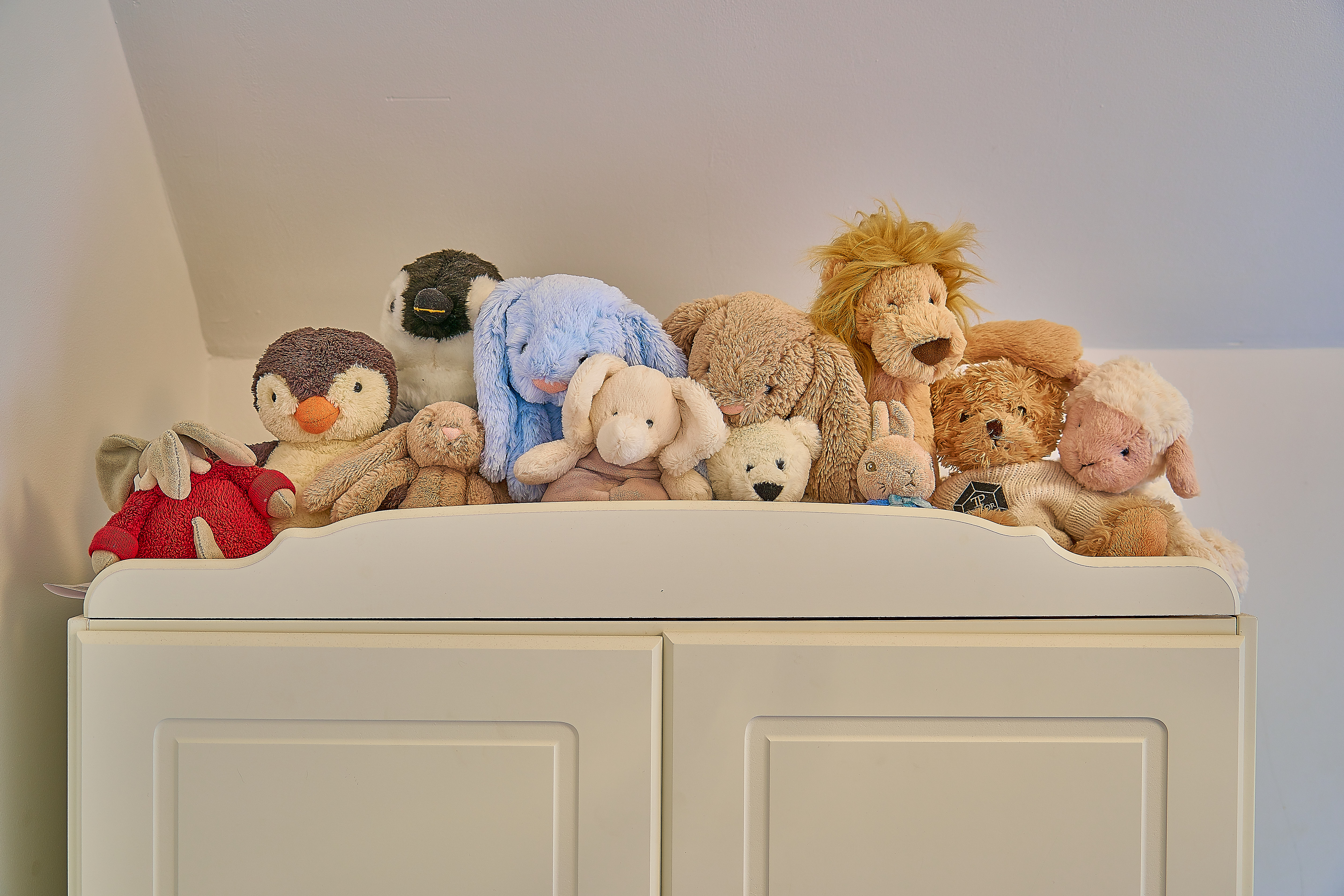
Equally, I was looking for a mini wardrobe to fit in the nursery which has a slanty ceiling on two sides, being on the corner and end of terrace. Plus I wanted to easily be able to reach the rails and any shelves inside. Checking all the dimensions, I found one that fits from Argos, which has two handy drawers for storage as well as the hanging space well within reach. I much prefer the drawers underneath as opposed to the shelves above the hanging space which I feel are more easily accessible.

IMG_1277

IMG_1278

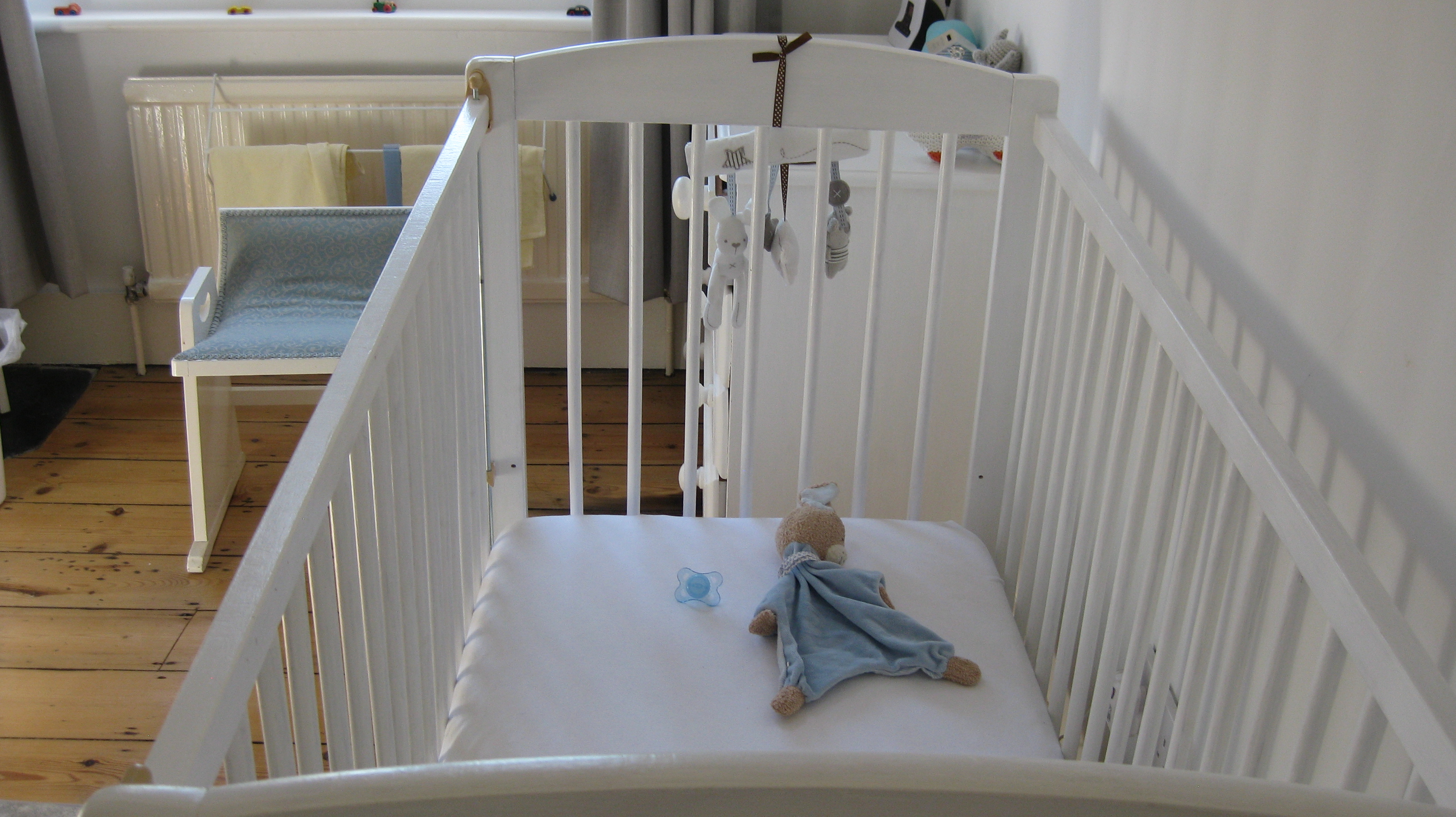
I have already posted about the cot, crib and moses basket which I used here so take a read if you’re interested in those too.

IMG_1280

Any other handy tips from anyone do let me know in the comments below!