Sun Cream ABC

Choosing sun cream is something I used to always take lightly. But these days there’s so much more to factor in. Is it natural? Cruelty free? Water resistant? Broad spectrum? Baby safe? Suitable for pregnancy? Recyclable packaging? Reef safe?
Back a couple of decades ago when all I wanted to be was brown, I would slather on tanning oil, use sunbeds (occasionally) and try and get a tan as quickly as possible. The factor I sought was lower to tan quicker.

A friend then told me the biggest beauty secret to staying youthful was using SPF on your face every day. So I started to do this, buying into its benefit. Then I became aware through working with independent experts the value of SPF30 as a minimum that one should use to avoid skin cancer, coupled with the importance of purchasing a UVA & UVB suncream or broad spectrum. In short, UVB is protecting the top layer of your skin and preventing damage. UVA however protects the deeper layers of skin, thus helping to prevent wrinkles.
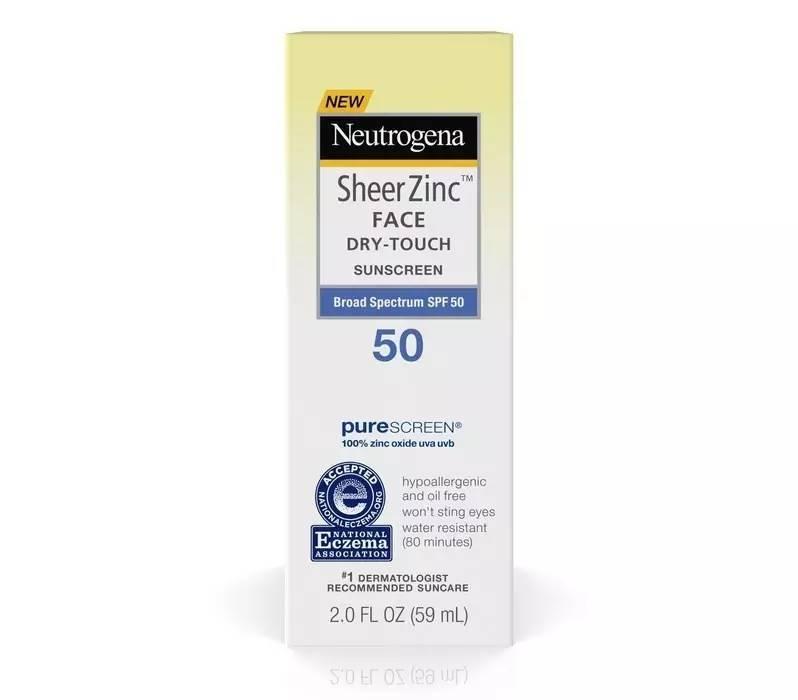
These days natural, organic ingredients are very du jour but one has to be careful as organic doesn’t mean it doesn’t have chemicals in still. For example during my first pregnancy, I chose a lovely suncream from Holland & Barrett which was organic, paraben free etc but actually, it does have a chemical sunscreen in it from an organic compound. But something I also learnt more recently was that some of the common chemicals (such as octinoxate and oxybenzone) damage the world’s reefs which are sadly deteriorating at rapid rates already. They do so by bleaching the coral and making it more at risk of infection so I’d definitely avoid these now.

The best bet for something safe for reefs, not to mention babies, toddlers and pregnancy, is titanium oxide and zinc oxide as together these tackle both types of rays naturally and do not cause any other effects or leech into breast milk etc. These bounce the sun’s rays off the skin as opposed to absorbing them like the chemical formulas do. Some formulas are whiter than others, but if you pick a good one, you don’t end up looking like a glow-worm!
Also now the issue of packaging waste in beauty is quite topical, so more and more brands are getting on board with this and using recyclable materials and not boxing products either. If you look at the back of the product it should say if it’s recyclable or made from such.

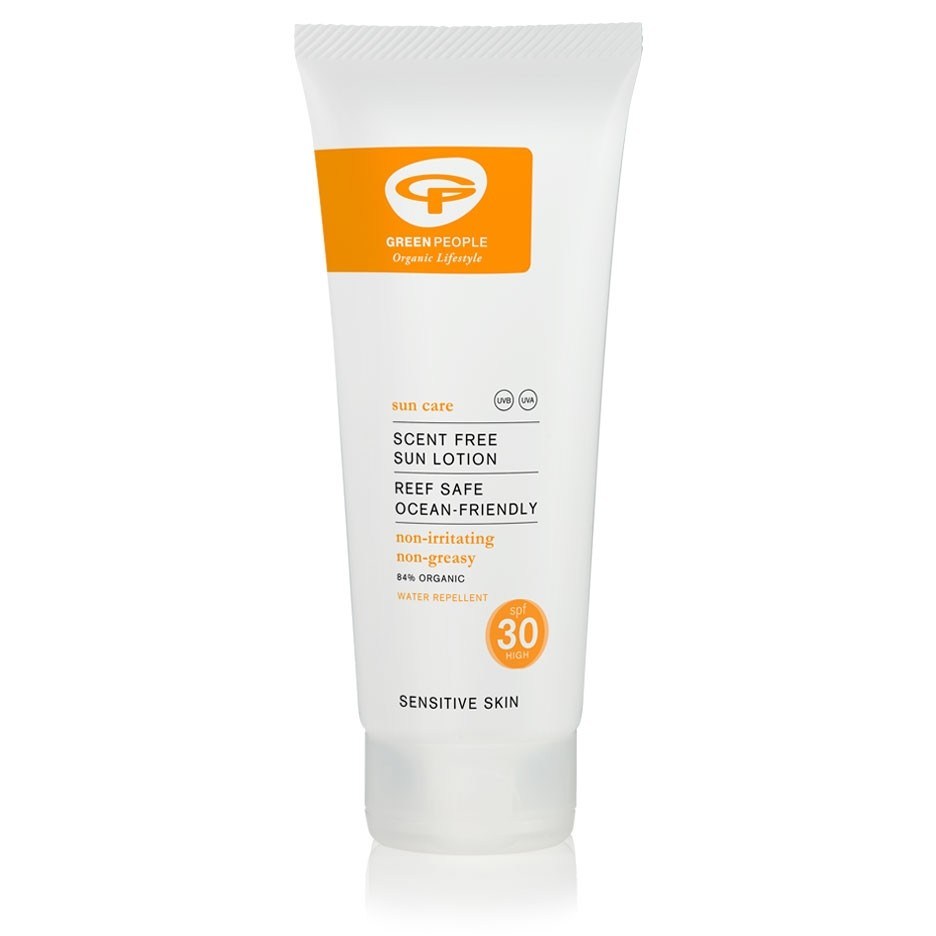
So this year and last, I invested in Green People SPF30 which ticks all the boxes and I have found it to be not very whitening on application. Wholefoods – which also stocks this – came up trumps with a tube which I use for my face, called Acorelle an SPF50 which although it isn’t specifically a facial one, but for babies, it works. I also liked the look of Neutrogena and Aveeno SPFs in general so may well end up trying them another time.

I found this chart useful for understanding the ingredients.

Check out Green People here

Pregnancy Products & Ingredients to Avoid

As if it isn’t tough enough when you’re pregnant, with sickness, growing larger and being uncomfortable, as well as avoiding certain foods, you also should be aware of potentially harmful ingredients in cosmetic products.

It’s all too easy to not pay attention to what you’re putting on your skin, nails and hair etc but actually some of these can have a harmful effect. Whilst some things can be absorbed by the skin (and have found their way into breast milk), others can accidentally be inhaled and are potentially harmful to a developing foetus.

So what to avoid. There are obviously different schools of thought for example a local pharmacy said it’s ok to use normal lemsip for a couple of days (not the Max version) but another advised to avoid those with phenylephrine. But here is what I try to avoid:

  1. Aluminium Chloride Hexahydrate & Aluminium Chlorohydrate – in deodorant/anti-perspirant – very few avoid this! Try Salt of the Earth & Neals Yard instead to eliminate the risk of Alzheimers that it’s been linked to. Some also believe there’s links to breast cancer.
  2. BHA (Beta Hydroxy acids) & salicylic acid, 3 hydroxypropionic acid, trethocanic acid, tropic acid – taken orally salicylic acid can cause intracranial bleeding in a foetus.
  3. BPA (Bisphenol) – Basically a type of plastic in polycarbonates and epoxy resins used for water bottles and food containers, it can leach into food & drink, possibly affecting children’s brains and prostate glands of foetuses, with links to behavioural problems.
  4. Chemical sunscreensAvobenzone, homosalate, octisalate, octoocryolene, oxybenzone, octinoxate, oxtocrylene, menthyl anthranilate. Opt for titanium dioxide and zinc oxide (mineral blockers) instead as apparently chemicals have been linked to development of the nervous system, ADHD and obesity.
  5. DEA (Diethanolamine) & oleamide DEA, lauramide DEA, cocomide DEA – in hair and body products can have carcinogenic effects.
  6. DHA (Dihydroxyacetone) – self tan – worse in spray form – as there is a much higher risk of allergy in pregnancy.
  7. Diazolidinyl Urea – found in mascara, this can release formaldehyde (see below).
  8. Essential Oils – Whilst seemingly natural, jasmine & clary sage have been known to induce contractions and rosemary oil can cause bleeding, increase blood pressure, but oils in general can be safe when diluted in the right quantities.
  9. Formaldehyde & 2-bromo-2nitropropane-1, 3-diol (bromopol), dimethyl-dimethyl (DMDM), diazolidinyl urea, hydantoin, imidazolidinyl urea, quarternium-15, sodium hydroxymethylglycinate – found in nail varnishes & hair products like straightening products, eyelash glue. These can affect fertility and miscarriage if one works with these products. It is known to cause cancer and has been found in breast milk.
  10. Fragrance & cinnamol, citronellol, eugenol, geraniol, limonene, linalool, parfum, perfume. These are often made up of other harmful chemicals with links to nervous system development and cancer. Look for products labelled fragrance-free.
  11. Hydroquinone & 1-4 benzenediol, benzene, 4-diol, idrochinone, quinol – basically lightening agents – often in face creams and lotions for melasma or the pregnancy mask but really it’s better to use good sunscreen and see how it naturally subsides post pregnancy.
  12. Parabens & butyl, isobutyl, isopropyl, methyl parabens, propyl – preservatives to make products last should be avoided as these are hormone disruptors.
  13. Phthalates & diethyl, dibutyl – found in synthetic fragranced products & varnishes, it’s traditionally used to stabilise products but has been linked to liver, kidney lung and reproductive issues.
  14. Retinol or Vitamin A & adapalene, isotretinoin, retinoic acid, retinyl palmitate, retinaldehyde, tazarotene, tretinoin – excessive intake can affect normal foetal development ie lead to birth defects.
  15. SLS (sodium lauryl sulfate) & SLES (sodium lauryl ether sulfate), ammonium lauryl sulfate, sodium dodecyl sulfate, sodium laureth sulfate, sodium pareth sulfate – this foaming agent used in soaps, haircare and face washes isn’t able to be broken down by the body, so it can affect the nervous system, kidney and liver function.
  16. Thioglycolic acid & acetyl mercaptan, mercaptoacetate, thiovanic acid – in hair removal products. These may irritate your skin more during pregnancy and are more likely to cause an allergic reaction.